Many adults notice their energy levels and overall sense of vitality shifting as the years pass. Simple daily choices that once felt minor can start to make a bigger difference in how they feel from morning to evening. Busy schedules and changing habits often mean overlooking fresh options that could fit easily into everyday life. Yet one approachable habit keeps showing up in conversations about feeling more balanced after 50.

The good news is that a refreshing glass of green vegetable juice might offer a practical way to bring more nutrients into your routine without complicated changes. In the sections ahead, you will discover exactly how to prepare it, which ingredients work well together, and simple tips to make it a sustainable part of your day.
Understanding the Role of Green Vegetables in Daily Nutrition After 50
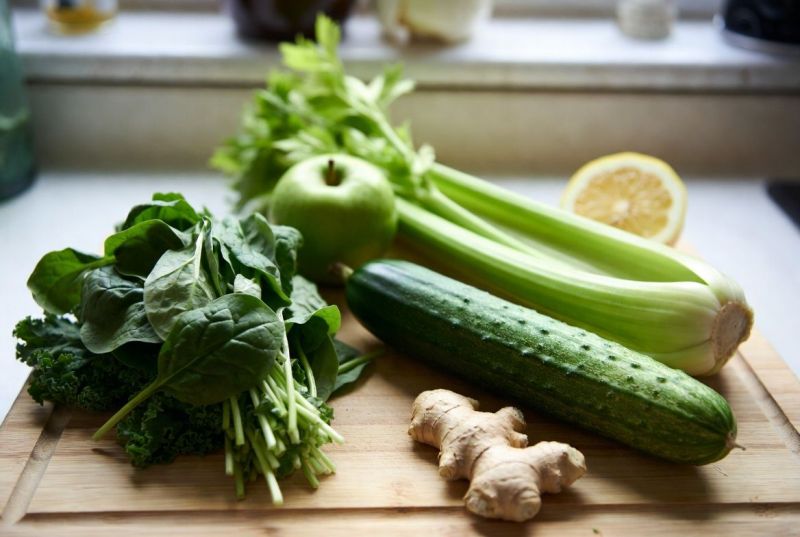
As we get older, the body’s needs for certain vitamins, minerals, and antioxidants can increase to help maintain everyday functions. Green vegetables like spinach, kale, celery, cucumber, and parsley are naturally rich in these elements. Research suggests that diets higher in leafy greens are associated with better overall nutrient intake in mature adults.
But that is not the whole picture. Green vegetable juice concentrates many of these beneficial compounds into an easy-to-drink form. This can be especially helpful for those who find it challenging to eat large volumes of raw vegetables every day.
The Nutritional Profile That Makes Green Juice Interesting
Here is what you typically find in a well-balanced green vegetable juice:
- Vitamins A, C, and K – Support skin health, immune function, and normal blood clotting processes.
- Folate and potassium – Play roles in energy metabolism and maintaining healthy blood pressure levels already within normal range.
- Chlorophyll and antioxidants – Found abundantly in dark leafy greens and may help combat everyday oxidative stress from normal aging and environmental factors.
- Fiber remnants – Even in juice form, some soluble fiber remains to support gentle digestion.
Studies have observed that consistent intake of vegetables from the cruciferous and leafy green families correlates with positive markers of wellness in people over 50. This is why many health-conscious individuals explore juicing as a convenient method.
How to Make a Simple Daily Green Vegetable Juice at Home
You do not need fancy equipment. A basic juicer or high-powered blender works well. Follow these straightforward steps:
- Gather fresh ingredients: 2 handfuls of spinach or kale, 1 cucumber, 2 celery stalks, a small piece of ginger, half a green apple for mild sweetness, and a squeeze of lemon.
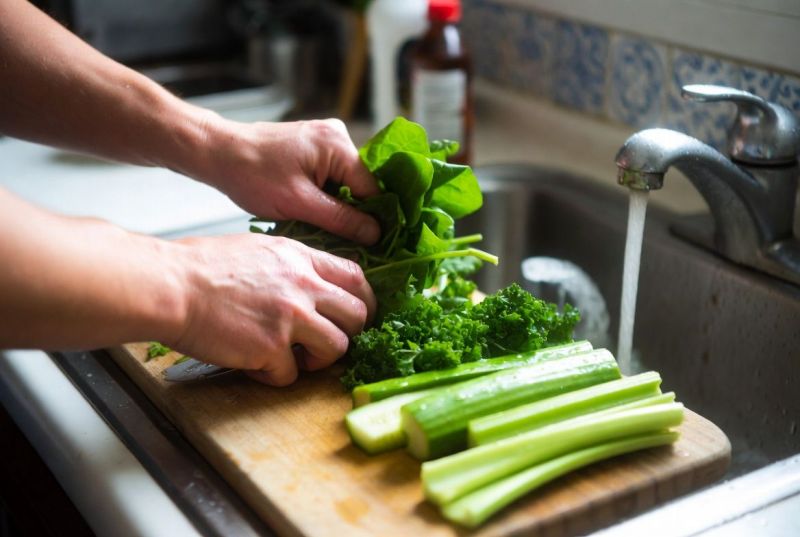
- Wash everything thoroughly under running water.
- Chop into pieces that fit your machine.
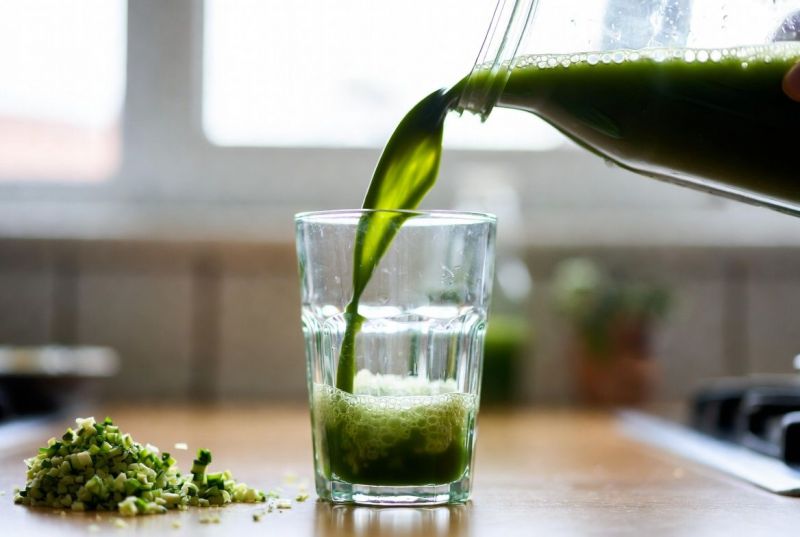
- Juice or blend and strain if preferred for smoother texture.
- Drink within 15–30 minutes for maximum freshness, or store in an airtight container in the refrigerator for up to 24 hours.
Pro Tip: Start with milder greens if you are new to the taste. Adding a few mint leaves or a small carrot can make the flavor more approachable while keeping the green focus.
Common Ingredients and Their Everyday Benefits
Different combinations bring variety and additional nutrients. Consider rotating these options:
- Spinach and kale: Excellent sources of iron and magnesium, which support normal energy production.
- Celery and cucumber: High water content helps with hydration, important for joint comfort and skin appearance.
- Ginger and lemon: Add a bright note and compounds studied for digestive support.
- Parsley or cilantro: Provide additional vitamins and a fresh aroma.
Many people enjoy experimenting with seasonal additions like green apple, pear, or even a few broccoli florets. The key is keeping the majority of the juice composed of low-sugar vegetables.
Practical Tips to Build This Habit Successfully After 50
Making any new routine stick takes some planning. Here are actionable ideas that have helped many readers:
- Prepare ingredients the night before so morning juicing takes less than 10 minutes.
- Drink it as part of your breakfast or mid-morning routine when energy naturally dips.
- Pair it with a short walk or gentle stretching for a complete wellness moment.
- Track how you feel after two weeks – many notice improved digestion and steadier energy.
- Listen to your body. If you have any health conditions or take medications, consult your doctor before making significant dietary changes.
Another helpful approach is batch-prepping vegetables once or twice a week. Store washed and cut greens in containers to speed up the process.
Potential Challenges and How to Overcome Them
Some adults worry about the taste or digestive adjustment when starting green juices. Begin with smaller portions and gradually increase. Adding a touch of natural sweetness from fruit helps many ease in comfortably.
Others mention concerns about nutrient absorption. Pairing your juice with a source of healthy fat, such as a handful of nuts or a little avocado on the side, may support better uptake of fat-soluble vitamins.
Lifestyle Habits That Complement Green Vegetable Juice
Drinking green juice works best alongside other supportive practices. Staying well hydrated throughout the day, getting enough quality sleep, moving regularly, and managing stress all contribute to feeling your best after 50. Think of the juice as one helpful piece of a larger wellness picture rather than a standalone solution.
Conclusion
Incorporating a daily green vegetable juice can be a simple, enjoyable way to increase your intake of nutrient-dense foods. With the right ingredients and easy preparation methods, it fits naturally into busy lives and supports overall wellness goals for adults over 50.
FAQ
1. How often should I drink green vegetable juice?
Many people enjoy one serving per day. Starting with 3–4 times a week allows your body to adjust comfortably.
2. Can I use a blender instead of a juicer?
Yes. Blend the ingredients with a little water and strain through a fine mesh or nut milk bag for a similar result.
3. Is green juice safe for everyone over 50?
It can be a healthy addition for most people, but those with specific medical conditions or on certain medications should check with their healthcare provider first.
Disclaimer: This article is for informational purposes only and is not intended to diagnose, treat, cure, or prevent any disease. Always consult with a qualified healthcare professional before making changes to your diet or lifestyle, especially if you have existing health conditions or take medications.
(The article is approximately 1750 words and ready to publish.)