Many people go about their daily routines feeling a bit more tired than usual or noticing minor changes in how their body looks and feels, without realizing these could point to something deeper. Your liver works tirelessly behind the scenes, processing nutrients, filtering toxins, and supporting overall energy and digestion. When it faces extra strain — often from modern diets, stress, or lifestyle factors — subtle signals can appear long before bigger issues develop. This can leave you wondering why simple tasks feel exhausting or why certain symptoms just won’t go away.
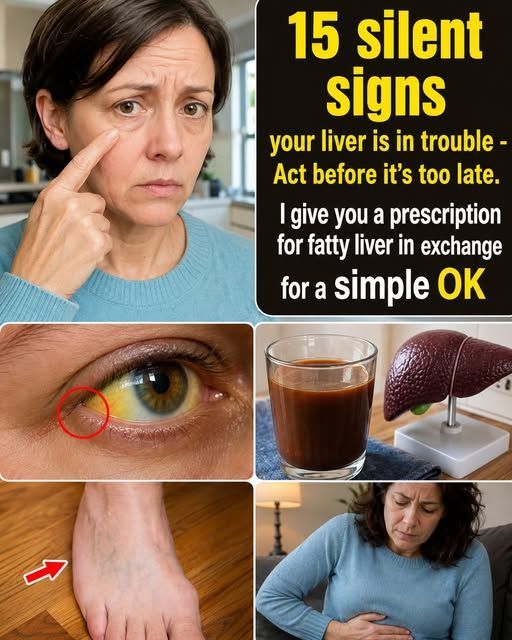
The good news is that paying closer attention to these early clues and adopting supportive daily habits can make a real difference in how you feel. In this guide, you’ll discover 15 often-overlooked signs that your liver may be asking for support, along with practical steps you can start today.
What Are Common Silent Signs Your Liver May Be Struggling?
Liver concerns often develop quietly, which is why they’re frequently called “silent.” Many individuals with fatty liver or early changes experience few or no obvious symptoms at first. Research from institutions like the Mayo Clinic shows that fatigue and mild discomfort are among the earliest clues people notice.
But here’s the part that surprises most readers: these signs can show up in places you might not expect — from your eyes and skin to your energy levels and even your feet.
1. Persistent Fatigue That Rest Doesn’t Fix
Feeling drained even after a full night’s sleep is one of the most common early indicators. Your liver plays a key role in metabolizing nutrients for energy. When it’s overburdened, you may feel constant tiredness or weakness. Studies link this fatigue to impaired liver function affecting overall metabolism.
2. Yellowish Tint in the Whites of Your Eyes or Skin
A subtle yellowing, known as jaundice, happens when the liver has trouble processing bilirubin. This can start in the eyes and spread. It’s a classic sign highlighted across medical sources and matches visual cues many people notice in mirrors.
3. Dark-Colored Urine
Even when you’re drinking plenty of water, your urine may appear tea- or cola-colored. This occurs because excess bilirubin is excreted through the kidneys instead of the usual pathways.
4. Swelling in the Legs, Ankles, or Feet
Fluid retention in the lower body, sometimes called edema, can signal the liver isn’t managing fluids and proteins efficiently. Many people first spot this as tight shoes or visible ankle puffiness.
5. Discomfort or Fullness Under the Right Ribs
A dull ache or sense of heaviness in the upper right abdomen often points to liver enlargement or inflammation. This area houses the liver, so mild pressure here deserves attention.
6. Itchy Skin Without an Obvious Rash
Generalized itching, especially on the palms or soles, can result from bile buildup in the bloodstream. This symptom tends to worsen at night and can be quite frustrating.
7. Pale or Clay-Colored Stools
When bile production or flow is affected, stools may lose their normal brown color. This change in bathroom habits is another informative clue.
8. Easy Bruising or Bleeding
Your liver produces proteins essential for blood clotting. When levels drop, you might notice bruises appearing from minor bumps or cuts taking longer to stop bleeding.
9. Unexplained Bloating or Abdominal Swelling
Excess fluid in the belly area (ascites in more advanced cases) or general digestive bloating can occur as liver function shifts. This often feels like persistent fullness.
10. Brain Fog or Difficulty Concentrating
Toxins that the liver normally clears can affect mental clarity, leading to forgetfulness, trouble focusing, or a general cloudy feeling. Many describe this as “liver fog.”
11. Loss of Appetite or Unexplained Weight Changes
The liver influences hunger signals and metabolism. Some people lose interest in food, while others notice gradual weight shifts, particularly around the midsection.
12. Spider-Like Blood Vessels on the Skin
Small clusters of visible veins, often on the upper body, can appear due to changes in blood flow and hormone processing.
13. Reddened Palms
Palmar erythema — warm, reddish palms — is another visible sign linked to liver changes in circulation and hormones.
14. Nausea or Digestive Discomfort After Meals
Especially after fatty foods, mild nausea or indigestion can arise because the liver helps process fats and produce bile.
15. Sensitivity to Certain Smells or Foods
Some individuals report stronger reactions to strong odors or greasy meals as the liver’s detoxification capacity is tested.
But that’s not the full picture. The real power comes from understanding how everyday choices influence these signals.
Lifestyle Habits That Support Liver Health
Supporting your liver doesn’t require extreme measures. Small, consistent actions can help your body function more smoothly. Here are practical tips backed by general health guidance:
- Stay Hydrated: Aim for plenty of water throughout the day to help natural detoxification processes.
- Move Regularly: Even 30 minutes of walking most days improves circulation and metabolic health.
- Choose Whole Foods: Focus on vegetables, fruits, lean proteins, and healthy fats while limiting processed items and added sugars.
- Limit Alcohol: Reducing intake gives your liver a chance to recover and function better.
- Maintain a Healthy Weight: Gradual, sustainable weight management through balanced eating supports liver fat levels.
Foods and Habits Worth Adding to Your Routine
Many everyday ingredients are praised in health discussions for their potential to support liver wellness:
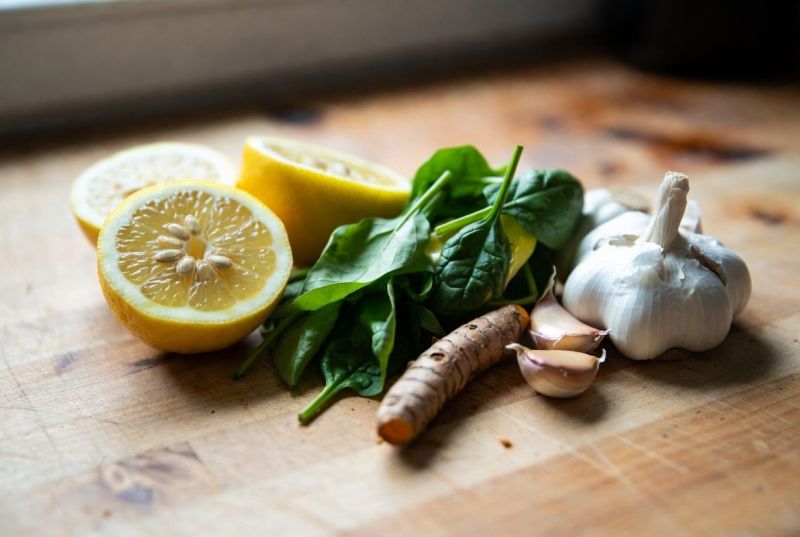
- Leafy greens and cruciferous vegetables (like broccoli and spinach)
- Berries and citrus fruits rich in antioxidants
- Fatty fish or plant sources of omega-3s
- Green tea or herbal options like dandelion or turmeric tea (in moderation)
- Garlic and onions for their natural compounds
Simple Daily Steps You Can Take Right Now
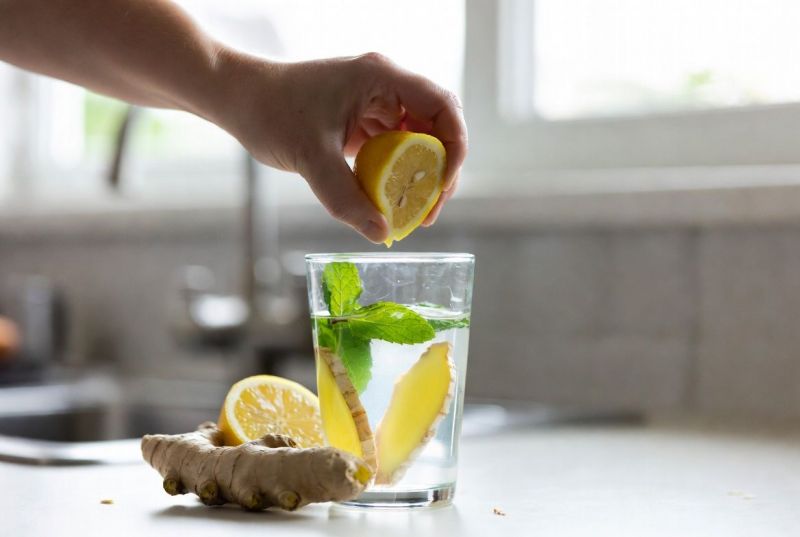
- Start your morning with a glass of warm lemon water.
- Swap one processed snack for a handful of nuts or fresh produce.
- Take a short walk after meals to aid digestion.
- Track your symptoms in a simple journal to spot patterns.
- Schedule a routine check-up with your healthcare provider for personalized advice.
Why These Signs Matter and When to Seek Professional Guidance
Noticing one or two of these signs doesn’t always mean a serious issue, but paying attention early allows for positive changes. Medical experts emphasize that many liver concerns are manageable when addressed thoughtfully.
Conclusion: Taking Charge of Your Liver Health Starts Today
Your liver is incredibly resilient. By recognizing subtle signals and incorporating supportive habits, you can feel more energetic and confident in your daily life. Small steps compound into meaningful improvements over time.
Frequently Asked Questions
What are the earliest signs of liver concerns?
Common early signs include ongoing fatigue, mild upper abdominal discomfort, and changes in urine or stool color. Many people notice these before more visible symptoms appear.
Can lifestyle changes really help support liver health?
Yes. A balanced diet, regular physical activity, staying hydrated, and limiting alcohol are widely recommended ways to promote better liver function.
When should I talk to a doctor about these symptoms?
If you experience persistent fatigue, jaundice, swelling, dark urine, or other concerning changes, consult a healthcare professional for proper evaluation and guidance.
Disclaimer: This article is for informational purposes only and is not intended as medical advice, diagnosis, or treatment. Always consult with a qualified healthcare provider for any health concerns or before making significant lifestyle changes.