Living with kidney concerns can feel overwhelming, especially when it comes to everyday choices like what to eat for protein. Many people notice fatigue, swelling, or changes in their energy levels that make meal planning stressful. The good news is that focusing on smarter protein choices can help support your overall well-being without adding extra burden. In this guide, we’ll explore practical options that align with kidney-friendly eating patterns.

But there’s more to discover that could make your daily meals both satisfying and supportive—keep reading to uncover the specific proteins worth prioritizing and those better kept to a minimum.
Why Protein Choices Matter for Kidney Health
Protein is essential for building and repairing tissues, maintaining muscle strength, and supporting your immune system. However, for individuals managing chronic kidney disease (CKD) or related concerns, the type and amount of protein consumed play a key role in how the kidneys process waste products. Research suggests that balancing high-quality proteins while being mindful of minerals like phosphorus, potassium, and sodium can make a positive difference in daily comfort and long-term management.
Studies indicate that shifting toward more plant-based options may help reduce the acid load on the body compared to heavy reliance on certain animal proteins. This doesn’t mean eliminating everything you enjoy, but making informed swaps. Always work with your healthcare team or a registered dietitian to tailor portions to your specific stage and lab results.
4 Kidney-Friendly Protein Sources Worth Including
Incorporating these options can provide the nutrients you need while being gentler on kidney function. Here’s a closer look:
Egg Whites
Egg whites are a high-quality, low-phosphorus protein source that’s easy to digest and versatile. One study highlights egg whites as a helpful choice for maintaining albumin levels without overloading on minerals that kidneys may struggle to filter.
Simple ways to enjoy them:
- Scramble with herbs and low-potassium vegetables like bell peppers or cabbage.
- Add to omelets or boil and slice into salads.
- Aim for 2–3 whites per serving, depending on your needs.
Skinless Poultry (Chicken or Turkey)
Lean cuts of skinless chicken or turkey offer solid protein with less saturated fat than red meats. Fresh preparations (not processed or pre-marinated) help keep sodium and phosphorus in check.
Portion control is key—typically 2–3 ounces cooked. Grill, bake, or stir-fry with kidney-friendly seasonings like garlic, lemon, or fresh herbs.
Certain Fish Options
Fish such as salmon or trout (in moderation) provide omega-3 fatty acids that support heart health, which is often a concern alongside kidney issues. Fresh or frozen varieties without added phosphates are preferable.
A small 3-ounce serving a couple times per week can be a good fit for many. Check with your provider about potassium levels if relevant.
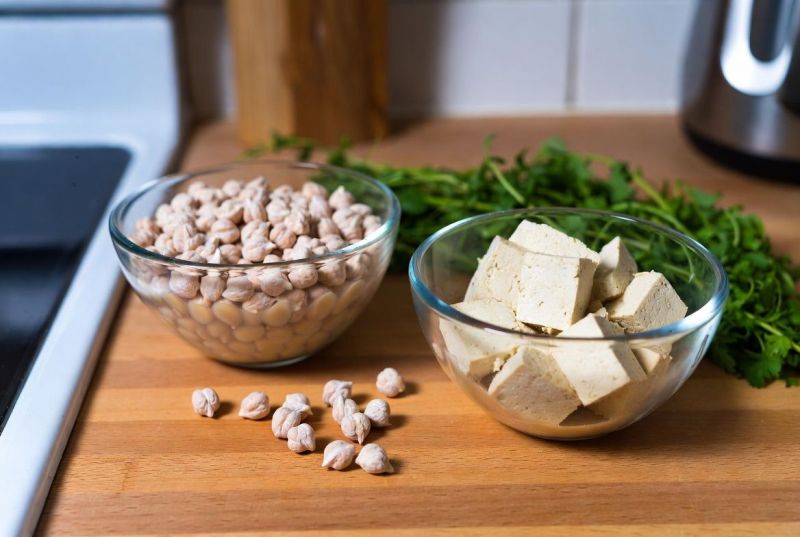
Plant-Based Choices Like Tofu and Chickpeas
Plant proteins such as tofu and chickpeas (garbanzo beans) are often easier on the kidneys because the body absorbs less phosphorus from them compared to animal sources. Chickpeas, in particular, are nutrient-dense and can be prepared in many ways.
Rinse canned varieties well to reduce sodium, or cook dried ones at home. Use in small portions as part of a varied plate.
6 Proteins to Limit or Approach with Caution
While all proteins have value, some are higher in phosphorus, potassium, sodium, or purines that can accumulate more readily when kidney function is reduced. Here’s what to watch:
- Red Meats (Beef, Pork, Lamb): These tend to be higher in saturated fat and phosphorus. Frequent large servings may increase kidney workload. Opt for smaller amounts or choose leaner alternatives occasionally.
- Processed Meats (Bacon, Sausages, Deli Meats): Loaded with sodium, phosphates, and preservatives. These are best minimized to avoid fluid retention and blood pressure concerns.
- Full-Fat Dairy Products: Milk, cheese, and yogurt can be high in phosphorus and potassium. Low-fat or limited portions of certain cheeses may be better, but many experts suggest alternatives like rice milk or almond milk (unsweetened, in moderation).
- Organ Meats (Liver, Kidney, etc.): Extremely high in phosphorus and other minerals. Most kidney care plans recommend avoiding these.
- Certain Nuts and Seeds in Large Amounts: While nutritious, many are phosphorus-rich. Small handfuls of unsalted varieties might fit, but portion awareness is essential.
- High-Protein Processed Supplements or Powders: Many contain added phosphates or excessive amounts that aren’t ideal. Whole-food sources are generally preferable unless specifically recommended by your care team.
Quick Comparison Table:
| Protein Type | Consider Including? | Key Reason to Watch |
|---|---|---|
| Egg Whites | Yes | Low phosphorus |
| Skinless Chicken | Yes (moderate) | Lean option |
| Red Meat | Limit | Higher phosphorus |
| Processed Meats | Limit/Avoid | High sodium |
Actionable Tips for Building Kidney-Supportive Meals
Making these changes doesn’t have to be complicated. Try these steps:
- Read Labels Carefully: Look for “phosphorus” or “phos” additives in ingredients lists. Choose no-salt-added or low-sodium versions of beans and canned goods.
- Balance Your Plate: Fill half with low-potassium vegetables, a quarter with a suitable protein, and the rest with grains like white rice or pasta if needed for potassium management.
- Portion Awareness: Use a food scale or visual cues (deck of cards for meat portions) to stay within your recommended daily protein range, often around 0.6–0.8 g per kg of body weight for non-dialysis stages—confirm with your doctor.
- Meal Prep Ideas: Batch-cook egg white muffins with veggies, grill chicken strips for salads, or make a simple chickpea stir-fry with safe seasonings.
- Stay Hydrated Smartly: Follow fluid guidelines from your team while enjoying herbal teas or infused water (lemon slices in moderation).
But that’s not the full picture—many people find that small, consistent adjustments lead to noticeable improvements in how they feel day to day.
More Ways to Support Kidney Health Through Diet
Beyond proteins, focus on fresh herbs for flavor instead of salt, and incorporate a variety of colorful, low-potassium produce. Research continues to highlight the benefits of plant-forward eating patterns for overall wellness in kidney care.
Track how different foods affect your energy and lab results. Small experiments, done safely, can help personalize your approach.

Frequently Asked Questions
Can I eat eggs if I have kidney concerns?
Yes, egg whites are often well-tolerated and provide quality protein with lower mineral impact. Whole eggs can be included occasionally, but discuss yolk limits with your dietitian based on your phosphorus levels.
Are all plant proteins safe for kidney patients?
Many are beneficial in appropriate portions due to lower phosphorus absorption, but items like beans and lentils still require portion control and rinsing to manage potassium and sodium.
How much protein is right for me daily?
This varies by CKD stage, body weight, and other factors. A registered dietitian can calculate a personalized target—typically lower than average for those not on dialysis to ease kidney workload.
Disclaimer: This article is for informational purposes only and is not a substitute for professional medical advice. Always consult your healthcare provider or a qualified renal dietitian before making significant dietary changes, especially if you have chronic kidney disease or other health conditions. Individual needs vary based on lab results and medical history.