Ginger is one of the most popular natural ingredients used around the world for its warm flavor and potential wellness support. Many people enjoy it in teas, smoothies, stir-fries, and baked goods. Yet like many powerful foods, it is not suitable for everyone in large amounts.

If you have certain health situations, consuming ginger regularly could lead to unwanted effects that might surprise you. In this article, we explore four key conditions where extra caution is wise, backed by what health experts and studies generally observe.
Why Ginger Is Usually a Great Choice for Most People
Ginger contains natural compounds like gingerols that give it its characteristic spicy kick. Research suggests it may help support digestion, ease occasional nausea, and provide antioxidant properties. For the average healthy adult using moderate amounts (up to about 4 grams per day), it is generally well-tolerated and adds both flavor and potential benefits to daily meals.
But here’s where things get important: certain health conditions can change how your body responds to ginger. Understanding these helps you make informed choices without guesswork.
1. Bleeding Disorders or Blood-Thinning Medications
Ginger has natural properties that may affect blood clotting. For people with bleeding disorders or those taking medications like warfarin, aspirin, or other anticoagulants, this can increase the risk of easier bruising or bleeding.
Studies note that ginger may slow blood clotting in some cases, especially at higher doses. If you fall into this group, it’s smart to check with your healthcare provider before using ginger supplements or consuming it in large quantities regularly. Small amounts in cooking are often fine, but moderation matters.
2. Gallstones or Gallbladder Issues
Ginger can stimulate bile production, which helps digestion for many people. However, for those with gallstones or existing gallbladder problems, this increased bile flow might trigger discomfort or other issues.
Health resources often recommend caution here. If you have a history of gallbladder concerns, start with very small amounts and observe how your body reacts—or better yet, discuss it with your doctor first.
3. Certain Heart Conditions or Blood Pressure Concerns
High doses of ginger might influence blood pressure and heart rhythm in some individuals. People with specific heart conditions or those already managing blood pressure with medication may experience changes that need monitoring.
This doesn’t mean ginger is off-limits entirely, but it highlights why personalized advice from a healthcare professional is valuable. Moderate culinary use is typically different from concentrated supplements.
4. Before Scheduled Surgery
Because of its potential effect on blood clotting, many experts advise stopping ginger (especially supplements) at least two weeks before any planned surgery. This helps reduce the chance of extra bleeding during or after the procedure.
If surgery is on your calendar, simple communication with your surgical team ensures everything goes smoothly.
How to Enjoy Ginger Safely
Here are practical tips you can use right away:
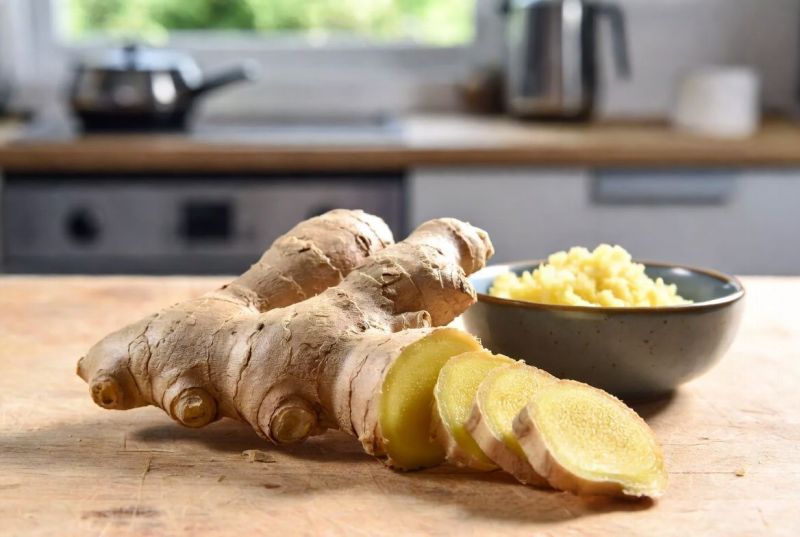
- Start small: Begin with 1 gram or less per day (about a teaspoon of fresh grated ginger) and see how you feel.
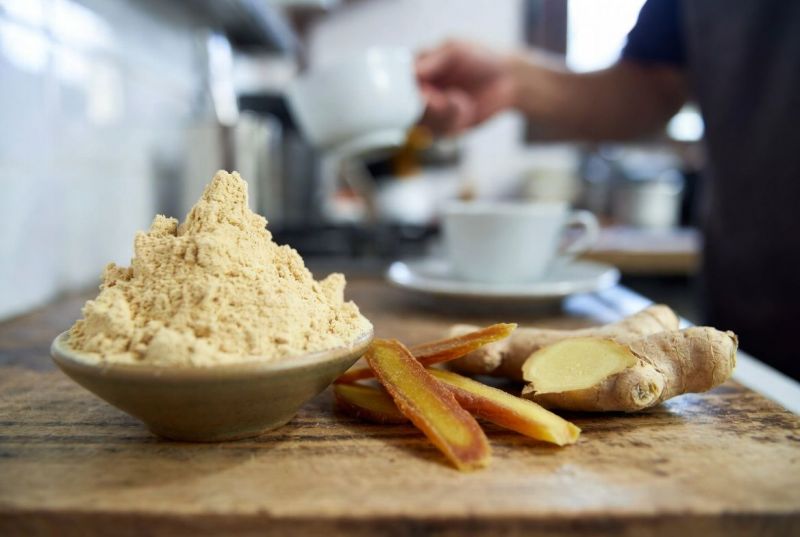
- Choose forms wisely: Fresh ginger root, dried powder in cooking, or mild tea are often gentler than high-potency supplements.
- Track your intake: Keep portions moderate—most sources consider up to 4 grams daily safe for healthy adults.
- Pair it thoughtfully: Combine with other foods to ease digestion rather than consuming it on an empty stomach if you’re sensitive.
Simple Ways to Add Ginger to Your Day
- Grate fresh ginger into warm lemon water or herbal tea.
- Add it to smoothies with banana and spinach for balance.
- Use in stir-fries, soups, or baked goods like ginger cookies.
- Make a mild ginger-turmeric seasoning blend for roasted vegetables.
These everyday approaches let most people enjoy the flavor while staying within comfortable limits.
What the Research Generally Shows
Multiple reviews, including those from reputable health databases, confirm ginger’s overall safety profile for the majority of people when used appropriately. Side effects like mild heartburn or digestive upset are more common with very high doses (over 6 grams daily). Always listen to your body and seek professional guidance when in doubt.
Conclusion
Ginger remains a wonderful kitchen staple and wellness ally for many. By being aware of these four situations—bleeding concerns, gallbladder issues, certain heart or blood pressure conditions, and upcoming surgery—you can continue enjoying it confidently and safely.
The key takeaway? Ginger is healthy for most, but thoughtful use makes all the difference.
FAQ
Q1: Can I drink ginger tea every day?
For most healthy adults, one to two cups of mild ginger tea daily is usually well-tolerated. If you have any of the conditions mentioned, check with your doctor first.
Q2: Is ginger safe during pregnancy?
Small amounts in food or mild tea are often used for occasional nausea, but higher doses or supplements require medical advice, especially later in pregnancy.
Q3: What’s the best way to store fresh ginger?
Keep unpeeled fresh ginger in the refrigerator crisper or freeze it for longer storage. Peeled ginger lasts best in an airtight container.
Important Disclaimer
This article is for informational purposes only and is not intended as medical advice. Individual responses to ginger can vary. Always consult with a qualified healthcare professional before making changes to your diet or supplement routine, especially if you have existing health conditions or take medications.