Many seniors notice leg discomfort, especially at night or after long periods of sitting or standing. These sensations can interrupt sleep, reduce daily comfort, and make simple activities feel more challenging. As we age, our bodies may not absorb nutrients as efficiently, and everyday habits like certain medications or limited variety in meals can play a role.

The good news is that incorporating certain everyday foods into your routine may help support overall muscle function and electrolyte balance in a gentle, natural way. In this article, we’ll explore five magnesium-rich options that are easy to add to meals, plus practical tips you can start using right away.
Why Magnesium Matters for Muscle Comfort in Seniors
Magnesium plays a key role in how muscles relax and contract. It also supports nerve function and helps maintain proper fluid balance in the body. Research suggests that many adults, particularly those over 60, may not get enough magnesium from their diet. Studies from sources like the National Institutes of Health highlight that magnesium intake often decreases with age due to changes in absorption and food choices.
Including magnesium-rich foods can be a simple step toward feeling more comfortable. These foods also provide other helpful nutrients like potassium, fiber, and antioxidants that support overall wellness. But that’s not the only reason they’re worth adding to your plate. Let’s look at the best options.
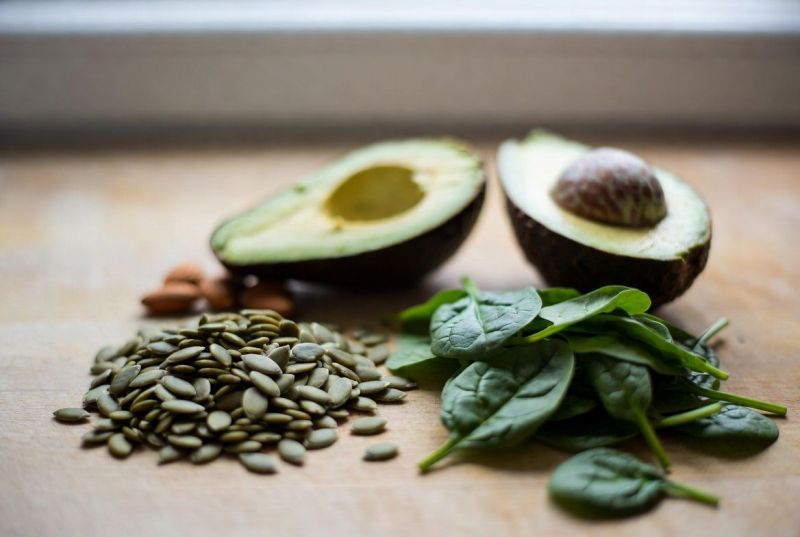
1. Pumpkin Seeds – A Crunchy Powerhouse
Pumpkin seeds (also called pepitas) stand out as one of the highest natural sources of magnesium. Just a small handful delivers a significant amount. They’re also convenient for seniors because they require almost no preparation.
- One ounce of roasted pumpkin seeds provides around 150 mg of magnesium.
- They offer healthy fats and zinc, which support immune health.
- Easy to sprinkle on salads, yogurt, or oatmeal.
Simple tip: Keep a small container of unsalted roasted pumpkin seeds on your kitchen counter. Add them to morning cereal or eat a handful in the afternoon.
2. Spinach and Other Leafy Greens
Dark leafy greens like spinach are gentle on the stomach and versatile in cooking. A serving of cooked spinach can provide substantial magnesium while being low in calories.
Studies often mention leafy greens as reliable dietary sources. They also supply folate and vitamin K, nutrients that support bone and heart health—important for active seniors.
How to enjoy it:
- Sauté spinach with garlic and olive oil as a side dish.
- Blend fresh spinach into smoothies with banana and yogurt.
- Add to soups or omelets for extra volume without strong flavor.
3. Almonds and Other Nuts
A small daily serving of almonds offers magnesium along with protein and healthy fats that help you feel satisfied. They’re portable and make a great snack between meals.
One ounce of almonds provides about 80 mg of magnesium. Other good nut choices include cashews, which deliver around 74 mg per ounce.
Practical ways to include them:
- Mix into trail mix with dried fruit (watch portions for sugar).
- Spread almond butter on whole-grain toast.
- Chop and sprinkle over cooked vegetables or cottage cheese.
Here’s a quick comparison of magnesium in popular nuts (per 1 oz serving):
| Nut | Magnesium (approx.) |
|---|---|
| Almonds | 80 mg |
| Cashews | 74 mg |
| Peanuts | 50 mg |
4. Black Beans and Legumes
Beans are affordable, shelf-stable, and packed with nutrition. Black beans, in particular, are a favorite for magnesium content and also provide fiber that supports digestion.
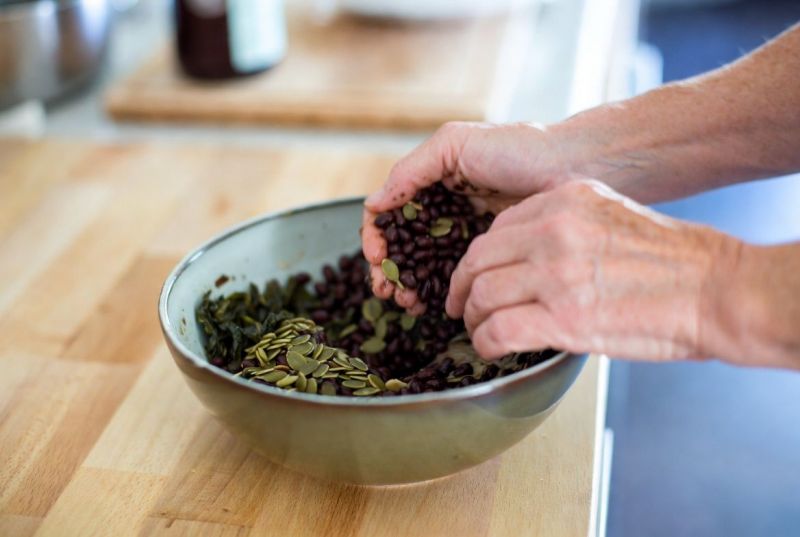
One cup of cooked black beans contains around 120 mg of magnesium. They’re excellent for batch cooking and work in many cuisines.
Easy recipes for seniors:
- Add to salads or rice bowls.
- Make a simple black bean soup with vegetables.
- Mash lightly for a spread on crackers or toast.
5. Avocados – Creamy and Versatile
Avocados bring magnesium plus potassium and heart-healthy fats. Half an avocado offers a good amount of magnesium and makes meals feel more indulgent without being heavy.
They’re soft and easy to eat, which is helpful for those with dental concerns or reduced appetite.
Serving ideas:
- Mash on toast with a sprinkle of seeds.
- Add slices to omelets or salads.
- Blend into chocolate pudding for a healthier dessert option.
Bonus honorable mentions: Sweet potatoes, bananas, and dark chocolate (in small amounts) also contribute magnesium and pair well with the foods above.
How to Build a Magnesium-Supporting Daily Routine
Start small to make lasting changes. Here’s a simple 7-day starter plan many seniors find approachable:
- Breakfast: Oatmeal topped with a handful of pumpkin seeds and banana slices.
- Lunch: Salad with spinach, black beans, avocado, and almonds.
- Snack: A small yogurt with pumpkin seeds or a handful of nuts.
- Dinner: Grilled fish or chicken with sautéed spinach and sweet potato.
- Evening: Herbal tea and a few squares of dark chocolate if desired.
Stay consistent with hydration—drinking enough water throughout the day supports muscle comfort too. Gentle stretching before bed and light walking during the day can also help circulation.
But here’s the part many people find surprising: small, consistent changes in your kitchen can feel more sustainable than big overhauls. The combination of these foods works together to support your body’s natural processes.
Additional Lifestyle Tips for Muscle Comfort
- Maintain a regular sleep schedule.
- Consider consulting your doctor about any medications that might affect mineral levels.
- Try warm baths or gentle foot soaks in the evening.
- Wear supportive shoes and avoid crossing legs for long periods.
These habits, paired with nutrient-rich foods, create a well-rounded approach to daily comfort.
FAQ
How much magnesium do seniors typically need?
Most adults need 320–420 mg per day depending on age and gender. Food sources are generally well-absorbed and safer than relying solely on supplements.
Can I get enough magnesium from food alone?
Yes, for many people. Focusing on a variety of whole foods like nuts, seeds, greens, and beans usually covers needs when combined with a balanced diet.
Are there any foods I should limit?
Highly processed foods and excessive alcohol or caffeine can affect mineral balance. Talk with your healthcare provider for personalized advice.
Final Thoughts
Supporting muscle comfort as you get older doesn’t have to be complicated. By choosing magnesium-rich foods like pumpkin seeds, spinach, almonds, black beans, and avocados, you’re giving your body helpful nutrients in delicious, everyday ways.
Start with one or two changes this week and notice how you feel. Small steps often lead to the best long-term results.
Disclaimer: This article is for informational purposes only and is not intended as medical advice. Please consult your healthcare provider before making significant changes to your diet, especially if you have existing health conditions or take medications.