One wrong move during a game, a quick pivot on the court, or even an awkward landing can suddenly change everything. Your knee gives way with a pop, followed by sharp pain and swelling that seems to appear out of nowhere. The once-stable joint now feels unreliable, making simple steps feel risky and turning everyday activities into challenges. But here’s the encouraging part: understanding exactly what occurs inside the knee opens the door to smarter management and a stronger path forward.
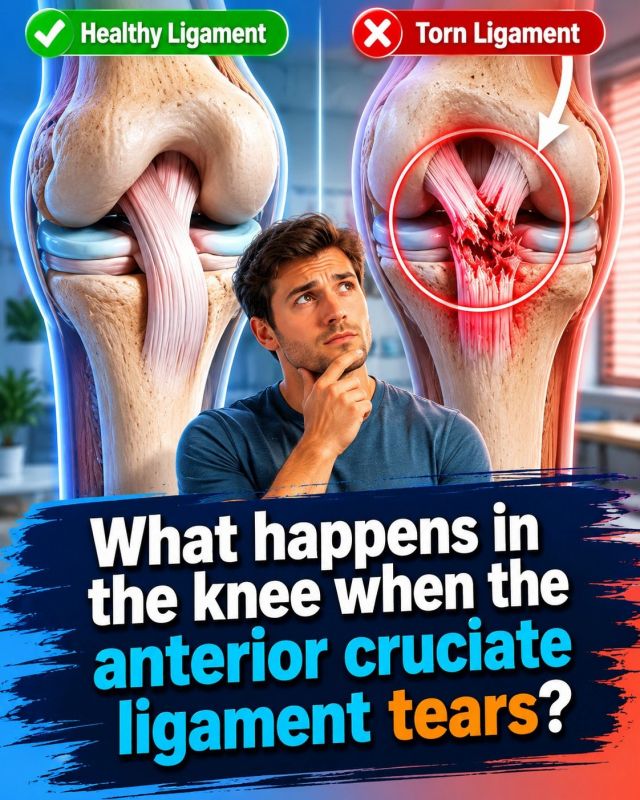
In this guide, we’ll explore the mechanics behind an anterior cruciate ligament (ACL) injury, why it happens, and practical ways to support your knee’s recovery. Keep reading to discover the key insights that can help you regain confidence in your movement.
Understanding the Anterior Cruciate Ligament and Its Role
The knee is a complex hinge joint that bears significant weight and allows for smooth motion. At its center sits the anterior cruciate ligament, or ACL — a strong band of tissue that connects the thigh bone (femur) to the shin bone (tibia).
This ligament plays a vital role in keeping the knee stable. It prevents the shin bone from sliding too far forward in front of the thigh bone and helps control rotational movements during twisting or turning. Together with the posterior cruciate ligament (PCL), it forms an “X” shape inside the joint for added support.
When the ACL remains healthy, it works seamlessly with surrounding muscles, cartilage, and other ligaments. But under sudden stress, things can change quickly.
What Exactly Happens During an ACL Tear
An ACL tear occurs when the ligament is stretched beyond its limits, often resulting in a partial or complete rupture. Many people describe hearing or feeling a distinct “pop” at the moment of injury. This sound signals the tissue giving way under excessive force.
Immediately after, the knee joint often fills with fluid or blood, causing rapid swelling within hours. The area becomes tender, and the joint may feel unstable, as if it could buckle under weight. This instability arises because the ACL can no longer effectively restrain forward and rotational movement of the tibia.
But that’s not the full picture. The injury rarely happens in isolation. Research shows that ACL tears frequently occur alongside damage to the meniscus (the knee’s shock-absorbing cartilage) or other ligaments, which can complicate the healing process.
Common Causes of ACL Injuries
ACL tears most often happen during activities involving sudden stops, direction changes, or jumps. Think soccer, basketball, football, skiing, or even a misstep on uneven ground.
Typical mechanisms include:
- Pivoting sharply with a planted foot
- Landing awkwardly from a jump with the knee extended
- Direct impact to the side of the knee
- Rapid deceleration while running
Women tend to experience these injuries at higher rates than men due to differences in anatomy, muscle strength ratios, and hormone influences, according to various studies.
Recognizing the Signs and Symptoms
Spotting an ACL injury early can make a big difference in how you respond. Here are the most common indicators:
- A popping sensation or sound in the knee
- Immediate or rapidly developing swelling
- Pain, especially when bearing weight
- Reduced range of motion — difficulty fully bending or straightening the leg
- A feeling of instability or “giving way” when walking or turning
These symptoms can vary depending on whether the tear is partial or complete. Mild cases might feel manageable at first, while severe ones often make it hard to continue activity right away.
Here’s an important reality check: Swelling and pain might ease after a few days, but the underlying instability can persist without proper attention.
The Impact on Knee Stability and Daily Life
Without the ACL’s support, the knee loses its primary restraint against excessive forward and twisting motion. This can lead to repeated episodes of buckling, which over time may stress other structures in the joint.
Everyday tasks like walking downstairs, getting out of a car, or playing with kids can become uncertain. For athletes, returning to sports without addressing the issue raises the risk of further damage.
Studies highlight that proper management helps many people return to their previous activity levels, emphasizing the value of early intervention and consistent effort.
Initial Steps After an ACL Injury
If you suspect an ACL tear, follow the RICE approach in the first 48-72 hours:
- Rest: Avoid putting full weight on the knee. Use crutches if needed.
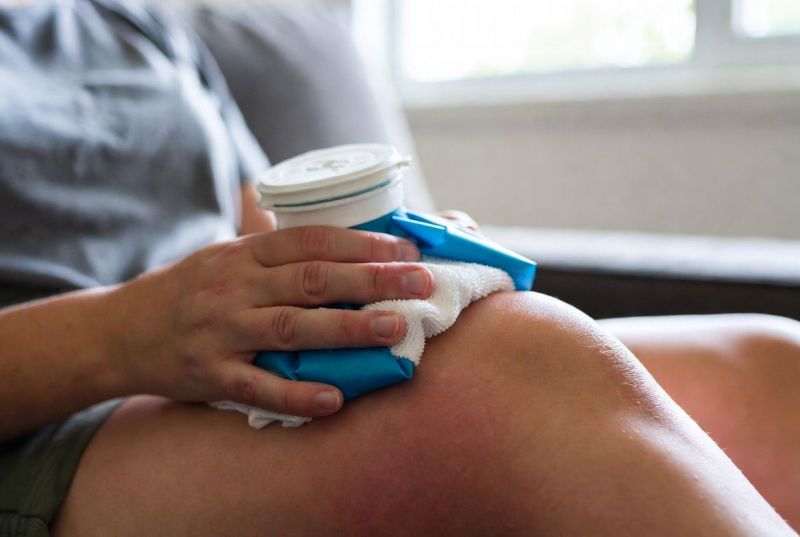
- Ice: Apply cold packs for 15-20 minutes several times a day to reduce swelling.
- Compression: Use an elastic bandage to minimize fluid buildup, but not too tightly.
- Elevation: Keep the leg raised above heart level when sitting or lying down.
Consult a healthcare professional promptly for an accurate assessment, which may include physical tests and imaging like an MRI.
Rehabilitation and Strengthening Strategies
Rehabilitation focuses on restoring strength, balance, and control around the knee. Many people benefit from a structured program guided by a physical therapist.
Here are some foundational exercises often recommended (always check with a professional first):
- Quad Sets — Tighten the front thigh muscles while lying down to activate the quadriceps without stressing the joint.
- Straight Leg Raises — Lift one leg while keeping the knee straight to build strength in the supporting muscles.
- Hamstring Curls — Gently strengthen the back of the thigh to improve overall balance.
- Balance Training — Stand on one leg (with support if needed) to enhance proprioception — your body’s sense of joint position.
- Low-Impact Cardio — Swimming or stationary cycling to maintain fitness without high impact.
This is where consistency truly shines. Gradual progression from basic movements to more dynamic drills helps rebuild confidence and stability.
Surgical Considerations and Non-Surgical Options
Not every ACL tear requires surgery. Factors like age, activity level, and degree of instability guide the decision. For active individuals who want to return to pivoting sports, reconstruction using a graft (from your own tissue or a donor) is common. Recovery typically spans several months of dedicated rehab.
For others, a focused strengthening program combined with bracing may provide enough support for daily life.
Prevention Tips to Protect Your Knees
Reducing risk starts with smart habits. Consider these strategies:
- Warm up properly before activity with dynamic stretches
- Strengthen hips, core, and legs to improve overall stability
- Practice proper landing and cutting techniques
- Maintain a healthy weight to lessen joint stress
- Wear supportive footwear suited to your sport
Many training programs now include neuromuscular exercises specifically designed to lower ACL injury rates.

Living Well After an ACL Injury
The journey back to full function takes patience, but many people regain strong, reliable knees through proper care. Focus on gradual progress, listen to your body, and celebrate small wins along the way.
Here’s the encouraging takeaway most people discover: With the right approach, what feels like a major setback can become an opportunity to build even greater resilience in your body.
FAQ
How long does recovery from an ACL tear typically take?
Recovery timelines vary. Non-surgical approaches may allow return to light activities in weeks to months, while full surgical rehabilitation often takes 6-12 months depending on individual progress and goals.
Can you walk normally with a torn ACL?
Many people can walk after the initial swelling subsides, but the knee may feel unstable during certain movements. Professional guidance helps determine safe activity levels.
What increases the risk of ACL tears?
Sports involving sudden direction changes, poor conditioning, previous knee injuries, and certain biomechanical factors can raise the likelihood.
Disclaimer: This article is for informational purposes only and is not a substitute for professional medical advice. Always consult with a qualified healthcare provider for diagnosis and personalized treatment recommendations.
(Word count: approximately 1,320)