You glance down at your hands and notice those faint vertical lines running along your fingernails. At first, it might seem like nothing more than a minor cosmetic change, but over time, the ridges become more noticeable, making your nails look uneven and older than you feel. This common observation can spark quiet concern, especially when you’re not sure if it’s just part of getting older or a signal that your body needs more attention in certain areas. The good news is that understanding what these lines represent can help you take simple, supportive steps for healthier-looking nails.
But here’s the part most people don’t realize until they dig deeper: while vertical ridges are often harmless, they can sometimes point to everyday habits or nutritional factors worth addressing.
What Are Vertical Nail Ridges and Why Do They Appear?
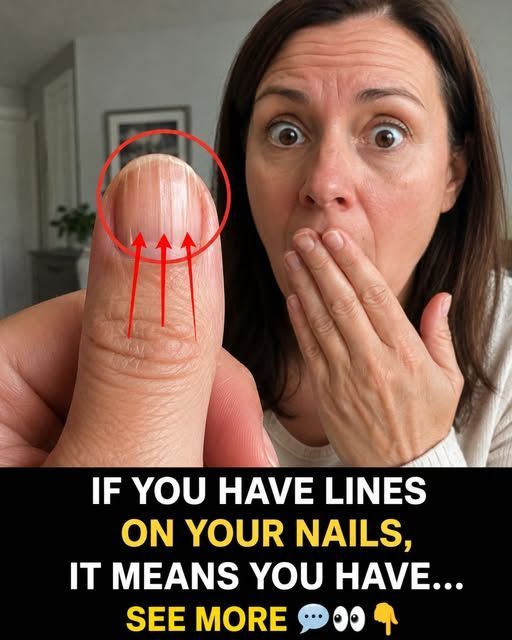
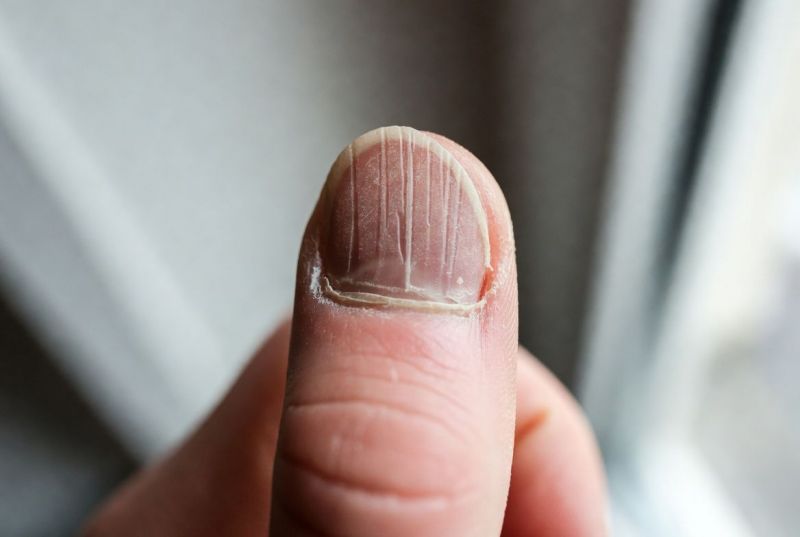
Vertical ridges, also known as longitudinal striations, are those raised or grooved lines that run from the base of the nail toward the tip. They are incredibly common, especially as we age. Research and dermatological observations show that many adults develop these lines gradually because the nail matrix—the area where new nail cells are produced—slows down and becomes less efficient over time.
Unlike horizontal ridges (Beau’s lines), which can sometimes relate to temporary interruptions in nail growth from illness or stress, vertical ones are usually a slower, ongoing change. They often feel slightly bumpy to the touch and can make nails appear thinner or more brittle. If you’ve been wondering why your once-smooth nails now have this texture, you’re not alone—it’s a frequent topic in health discussions.
Common Causes of Lines on Nails
Several everyday factors can contribute to the development of these ridges. Here’s a breakdown of the most frequently mentioned ones:
- Aging and Natural Cell Changes: As we get older, the rate at which our bodies produce new nail cells decreases. This leads to more pronounced vertical lines. Studies note that this is a normal part of the aging process for many people and typically not a cause for alarm.
- Dryness and Dehydration: Nails, like skin, need moisture. Frequent hand washing, exposure to harsh chemicals, or simply dry environments can dehydrate the nail plate, making ridges more visible.
- Nutrient-Related Factors: Research suggests that inadequate levels of certain nutrients, such as iron, zinc, protein, or B vitamins, may play a role in nail texture changes for some individuals.
- Skin Conditions or Habits: Issues like eczema or psoriasis, as well as repetitive trauma from nail biting or aggressive manicures, can influence nail appearance.
But that’s not the full picture. Lifestyle elements like diet, hydration, and how you care for your hands daily also matter significantly.
Distinguishing Vertical Ridges from Other Nail Changes
It helps to know what to look for. Vertical ridges are generally harmless when they appear gradually and without other symptoms. Horizontal grooves or sudden color changes, however, deserve more attention.
Here’s a simple comparison:
- Vertical Ridges: Run lengthwise; often linked to aging or mild dryness; usually painless.
- Horizontal Ridges (Beau’s Lines): Run across the nail; may indicate a past period of slowed growth due to illness, stress, or nutritional gaps.
- Color Changes or Pits: Could relate to different factors and are worth monitoring.
If your ridges are accompanied by splitting, discoloration, or pain, it’s wise to consult a healthcare professional for personalized guidance.
The Role of Nutrition in Nail Appearance
Many people are surprised to learn how much diet influences nail health. Nails are made primarily of keratin, a protein, so supporting your body’s protein synthesis and nutrient stores can make a visible difference over time.
Key Nutrients That Support Healthy Nails
Consider incorporating these through balanced meals:
- Protein: Found in eggs, lean meats, beans, and nuts—provides building blocks for strong keratin.
- Iron and Zinc: Leafy greens, red meat, seeds, and legumes help prevent certain texture changes.
- B Vitamins and Biotin: Eggs, avocados, salmon, and whole grains are natural sources that many find beneficial for nail strength.
- Hydration and Healthy Fats: Drinking plenty of water and using oils like olive or coconut can improve moisture retention.
A varied, nutrient-rich diet is one of the most reliable ways to support overall nail resilience.
Actionable Tips to Support Smoother, Healthier Nails
You don’t need fancy treatments to start seeing improvements. Here are practical steps you can implement today:
- Moisturize Daily: Apply a thick hand cream or cuticle oil to your nails and surrounding skin morning and night. At bedtime, try wearing cotton gloves to lock in moisture.
- Gentle Nail Care Routine: Trim nails straight across, file in one direction only, and avoid cutting or pushing back cuticles aggressively.
- Protect Your Hands: Wear gloves when doing dishes, cleaning, or gardening to shield nails from water and chemicals.
- Stay Hydrated: Aim for consistent water intake throughout the day—your nails will thank you.
- Buff Lightly if Needed: Use a gentle nail buffer occasionally to smooth the surface, but don’t overdo it, as excessive buffing can thin the nails.
- Review Your Diet: Track your intake of protein, iron-rich foods, and vegetables for a few weeks and note any changes.
Consistency with these habits often leads to noticeable improvements in nail texture and strength within weeks to months.
Lifestyle Habits That Make a Difference
Beyond direct nail care, broader habits support better results. Regular exercise improves circulation, which benefits the nail matrix. Managing stress through sleep and relaxation techniques can also help, since periods of high stress sometimes show up in nail growth patterns.
Avoiding harsh gel manicures for extended periods and giving nails a break from acrylics prevents weakening. Simple changes like these compound over time.
When Should You Pay Closer Attention?
Most vertical ridges are benign, but certain signs suggest speaking with a doctor or dermatologist:
- Ridges that appear suddenly or deepen quickly.
- Accompanying symptoms like fatigue, hair loss, or skin changes.
- Horizontal lines or significant color shifts.
- Nails that split, peel, or become very brittle.
A professional can help rule out any underlying factors and provide tailored recommendations. Early attention often leads to better outcomes.
Myth-Busting: What Vertical Nail Lines Don’t Mean
There’s a lot of misinformation online. These lines are not usually a dramatic red flag for serious disease on their own. They don’t automatically signal major organ issues or specific diagnoses. Instead, view them as a gentle reminder to nurture your overall health through balanced living.
Building a Long-Term Nail Care Routine
Start small. Pick two or three tips from above and make them non-negotiable habits. Over months, many people report their nails feel smoother and look healthier. Combine this with a colorful, whole-foods diet, and you’re giving your body the support it needs.
Conclusion
Vertical lines on your nails are a common feature many of us notice as time passes. By understanding their typical causes—often tied to aging, dryness, or lifestyle—you can focus on practical steps that promote better nail health and appearance. Small daily actions like moisturizing, protecting your hands, and eating nourishing foods add up to visible differences. Pay attention to changes, but don’t let minor ridges cause unnecessary worry. Your hands do a lot for you—taking good care of them is one of the kindest things you can do.

FAQ
1. Are vertical nail ridges always a sign of a vitamin deficiency?
Not necessarily. While nutrient levels can influence nail health, most vertical ridges are linked to normal aging or dryness. A balanced diet supports overall nail strength, but consult a healthcare provider for personalized testing if concerned.
2. Can I completely remove or erase vertical ridges on my nails?
You can often minimize their appearance through moisturizing, gentle buffing, and supportive habits, but they may not disappear entirely if related to aging. Focus on prevention and improvement rather than perfection.
3. How long does it take to see improvements in nail ridges?
Nails grow slowly—about 3-4 millimeters per month. Noticeable changes from better care and nutrition often appear after 3-6 months of consistent habits.
Disclaimer: This article is for informational purposes only and is not a substitute for professional medical advice. Nail changes can sometimes reflect broader health considerations. Always consult a qualified healthcare provider for concerns about your nails or overall health.