Many people over 50 notice their knees feeling stiffer after a long day or when climbing stairs. Simple movements that once felt easy can become uncomfortable, making daily activities more challenging and affecting overall quality of life. This gradual change often leads people to explore natural ways to support joint comfort and mobility. One food that keeps coming up in conversations and studies is bone broth, a traditional preparation packed with nutrients that may play a role in how our bodies maintain connective tissue.
In this article, we’ll explore how bone broth fits into a joint-friendly lifestyle, what the research says about its components, and practical ways to add it to your routine. By the end, you’ll have clear, actionable ideas you can try right away.
Why Joint Comfort Matters as We Age
Our knees bear a lot of weight and movement every day. The cartilage that cushions these joints naturally changes over time, which is why many adults look for supportive habits. Factors like activity level, body weight, and nutrition all influence how joints feel. While no single food works miracles, certain nutrient-dense options can provide building blocks that support the body’s own processes.
Bone broth stands out because it is made by simmering animal bones and connective tissue for many hours. This slow process releases gelatin, amino acids, and minerals into the liquid.
What Makes Bone Broth Special for Joints?
Bone broth is rich in collagen and gelatin, which break down into amino acids like glycine and proline. These are key components of cartilage and other connective tissues.
Research has looked at collagen peptides (similar to what forms in bone broth) and their potential effects on joint comfort. Some studies suggest that consistent intake of these nutrients may help people notice improvements in how their knees feel during everyday activities.
Here’s what you typically get in a good homemade bone broth:
- Collagen and gelatin for structural support
- Minerals like calcium, magnesium, and phosphorus
- Amino acids that play roles in tissue maintenance
- Small amounts of other compounds released during long simmering
These nutrients work together in ways that may complement an active lifestyle.
The Science Behind Collagen and Joint Support
Multiple reviews of studies have examined collagen supplementation and joint health. One analysis of clinical trials found positive associations with reduced discomfort and better function in people with knee concerns.
Another study highlighted that gelatin (the cooked form of collagen) may help protect tissues from everyday stress. While results vary from person to person, the overall body of evidence supports including collagen-rich foods as part of a balanced approach.
It’s important to note that these benefits appear most noticeable when combined with other healthy habits like staying active, maintaining a comfortable weight, and getting enough sleep.
How to Make and Use Bone Broth at Home
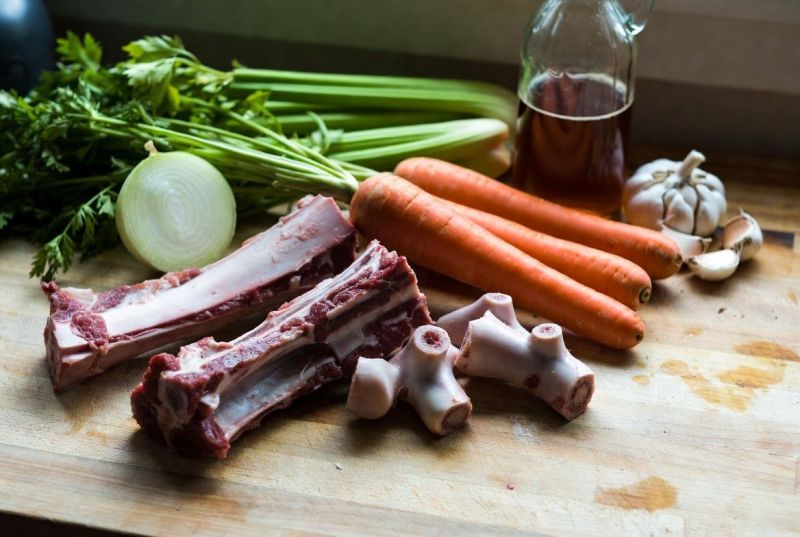
Making bone broth is straightforward and rewarding. Here’s a simple step-by-step guide:
- Choose quality bones — Use bones from grass-fed animals if possible, including joints and knuckles for extra gelatin.
- Add vegetables and seasonings — Carrots, celery, onion, garlic, and a splash of apple cider vinegar help draw out minerals.
- Simmer slowly — Cook on low heat for 12–24 hours in a large pot or slow cooker. The longer it simmers, the more gelatin you extract.
- Strain and cool — Remove solids, let it cool, and skim any fat if desired. The broth should have a jelly-like texture when refrigerated.
- Store properly — Keep in the fridge for up to 5 days or freeze in portions.
Easy ways to enjoy bone broth daily:
- Sip a warm mug in the morning instead of coffee
- Use it as a base for soups, stews, or sauces
- Cook grains or vegetables in it for extra flavor and nutrients
- Add it to smoothies (once cooled) for a protein boost
Other Foods That Complement Bone Broth
Bone broth works best as part of a varied diet. Consider pairing it with these supportive options:
- Vitamin C-rich foods — Citrus fruits, bell peppers, and strawberries help your body use collagen effectively.
- Anti-inflammatory ingredients — Fatty fish like salmon, turmeric, and leafy greens can support overall joint comfort.
- Sulfur-containing vegetables — Garlic, onions, and cruciferous veggies provide compounds that may aid connective tissue health.
Quick daily meal ideas:
- Breakfast: Bone broth with soft-boiled eggs and spinach
- Lunch: Vegetable soup made with bone broth base
- Dinner: Slow-cooked meat with root vegetables in broth
- Snack: Warm bone broth with a sprinkle of herbs
Lifestyle Habits That Make a Difference
Nutrition is only one piece of the puzzle. Regular low-impact movement, such as walking, swimming, or gentle yoga, helps keep joints mobile. Strength training for the muscles around the knees also provides important support. Staying hydrated and managing stress contribute too.
Many people who focus on these combined habits report feeling more comfortable and energetic in their daily lives.

Common Questions About Bone Broth and Joint Health
How long does it take to notice any changes?
Results vary, but some people report feeling differences within a few weeks of consistent use, especially when combined with other healthy habits. Others may take longer.
Is store-bought bone broth as good as homemade?
Homemade usually has more gelatin, but high-quality store versions can be convenient. Look for ones that gel when cooled and have minimal additives.
Can everyone drink bone broth?
Most people tolerate it well, but those with specific dietary restrictions or allergies should check with their healthcare provider first.
Final Thoughts
Incorporating bone broth into your routine is a simple, nourishing way to support your body’s natural processes for joint comfort and overall wellness. It’s not about quick fixes but about building sustainable habits that help you stay active and enjoy life.
Focus on whole foods, movement you love, and consistency. Small changes often lead to meaningful improvements over time.
Disclaimer: This article is for informational purposes only and is not intended to diagnose, treat, cure, or prevent any disease. Always consult with a qualified healthcare professional before making significant changes to your diet or lifestyle, especially if you have existing health conditions.