Many people add garlic to their meals hoping to support their overall wellness, yet they may unknowingly reduce its potential benefits or even experience discomfort. The strong compounds in garlic that people find appealing can behave differently depending on how you handle, prepare, and consume it. Small everyday habits in the kitchen often make the difference between enjoying garlic as part of a balanced diet and dealing with unwanted effects like digestive unease or less flavor.
In this guide, you will discover practical ways to use garlic more effectively while avoiding pitfalls that many people encounter. Keep reading to uncover the seventh mistake that surprises most readers and could change how you approach this everyday ingredient.
Why Garlic Remains Popular for Everyday Wellness
Garlic has been valued across cultures for centuries. Research suggests it contains sulfur compounds like allicin that form when the bulb is crushed or chopped. These compounds contribute to its distinctive aroma and may support aspects of heart health, immune function, and antioxidant activity, according to various studies.
However, the way garlic is prepared plays a major role in preserving those compounds. Understanding common errors helps you make informed choices without falling for exaggerated claims.
Mistake 1: Chopping Garlic and Cooking It Immediately
One of the most frequent errors is mincing garlic and tossing it straight into a hot pan. When you crush or chop fresh garlic, it takes time for the enzyme alliinase to react with alliin and produce allicin.
Studies indicate that waiting about 10 minutes after chopping allows more of these beneficial compounds to develop before heat exposure. Adding it to heat right away can limit this process significantly.
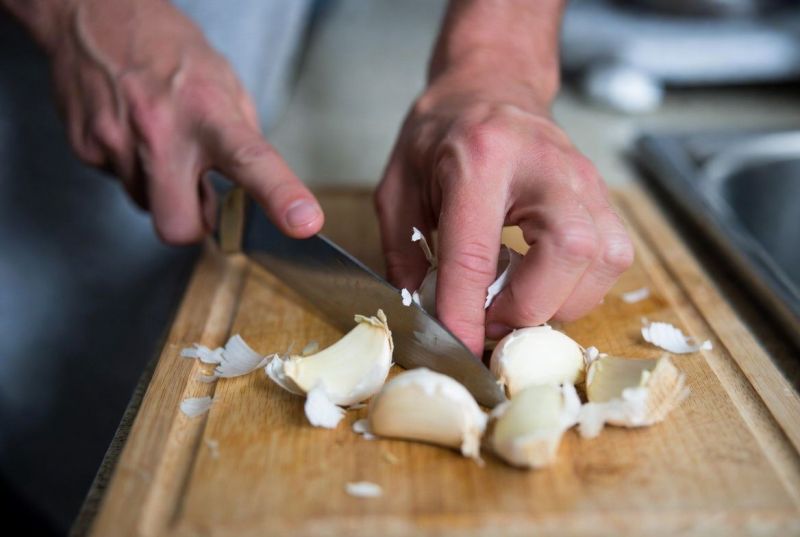
Actionable tip: Chop or crush your garlic, then let it rest on the cutting board while you prepare other ingredients. This simple pause can help maximize its natural properties in your cooking.
Mistake 2: Overcooking or Using High Heat
High temperatures and prolonged cooking can degrade many of garlic’s heat-sensitive compounds. Frying or microwaving for even short periods may reduce potential benefits dramatically.
Gentle sautéing over medium-low heat or adding garlic toward the end of cooking helps preserve more of its character.
Better approach:
- Use low to medium heat.
- Add minced garlic in the last 1-2 minutes of cooking.
- Consider using roasted garlic for a milder, sweeter flavor in spreads and dressings.
Mistake 3: Swallowing Whole Garlic Cloves
Many people believe swallowing whole cloves is the easiest way to get benefits, but this approach often backfires. Without crushing or chopping, the key compounds do not activate properly, and whole cloves may pass through the digestive system with limited effect.
Worse, large pieces can irritate the stomach lining in sensitive individuals, leading to discomfort.
Recommended method: Always crush, mince, or slice garlic to release its compounds. Start with small amounts if you are new to eating it raw.
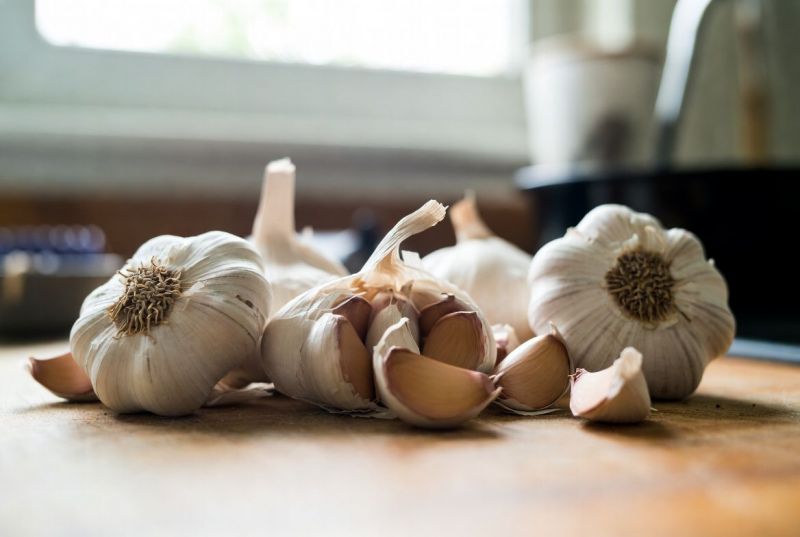
Mistake 4: Consuming Too Much Raw Garlic at Once
Raw garlic delivers the strongest concentration of allicin, yet eating large quantities in one sitting can cause digestive issues such as heartburn, bloating, or nausea for many people. Those with sensitive stomachs or conditions like GERD may feel effects more noticeably.
Practical guideline:
- Begin with 1 small clove per day.
- Mix raw garlic into dressings, hummus, or yogurt to buffer its intensity.
- Pair it with healthy fats or meals rather than eating it alone on an empty stomach.
Mistake 5: Storing Prepared Garlic in Oil Incorrectly
Homemade garlic-infused oil is popular, but leaving chopped garlic sitting in oil at room temperature creates conditions for harmful bacteria like Clostridium botulinum to grow. This is one situation where garlic preparations can pose a genuine safety concern.
Safe storage tips:
- Refrigerate garlic-in-oil mixtures and use within a few days.
- Consider using commercial products that are properly acidified.
- For longer storage, freeze crushed garlic in ice cube trays with a bit of oil or water.
Mistake 6: Using Old, Sprouted, or Poor-Quality Garlic
Garlic that has started sprouting or feels soft may have reduced potency. While not dangerous in small amounts, older bulbs often taste bitter and offer fewer desirable compounds.
How to choose fresh garlic:
- Look for firm, heavy bulbs with tight, papery skins.
- Avoid bulbs with green sprouts or soft spots.
- Store whole bulbs in a cool, dry place with good air circulation — never in the refrigerator for long periods.
Mistake 7: Ignoring Personal Sensitivities and Interactions
This is the mistake that catches many people off guard. Garlic can interact with certain medications, particularly blood thinners, and may increase bleeding risk in some cases. People with allergies or very sensitive digestion should also proceed carefully.
Smart precautions:
- Consult your healthcare provider before making big changes to your diet if you take medications.
- Pay attention to how your body responds and adjust portions accordingly.
- Consider aged garlic extract supplements if raw garlic causes issues, though food sources remain preferable for most people.
How to Incorporate Garlic Wisely Into Your Routine
Here are some simple, everyday ideas:
- Morning boost: Add a small amount of freshly minced garlic to avocado toast or scrambled eggs.
- Salad dressing: Mix crushed garlic with olive oil, lemon juice, and herbs.
- Roasted vegetables: Toss veggies with whole cloves and roast gently.
- Fermented option: Try black garlic for a sweet, umami flavor with different compound profiles.
Comparison of Preparation Methods:
| Method | Flavor Profile | Compound Preservation | Best For |
|---|---|---|---|
| Raw (crushed) | Strong, pungent | High | Dressings, dips |
| Lightly sautéed | Balanced | Medium | Stir-fries, pasta |
| Roasted | Sweet, mild | Lower | Soups, spreads |
| Powdered | Convenient | Lower | Seasoning blends |
Final Thoughts
Garlic can be a flavorful addition to a balanced diet when handled thoughtfully. By avoiding these seven common mistakes, you can enjoy its taste and potential wellness-supporting properties more effectively. Small adjustments in preparation and portion size often make the biggest difference.
Remember, no single food is a miracle solution. Focus on variety, moderation, and overall healthy eating habits for the best results.
Disclaimer: This article is for informational purposes only and is not intended as medical advice. Consult with a qualified healthcare professional before making significant changes to your diet, especially if you have health conditions or take medications.
FAQ
1. Is it better to eat garlic raw or cooked?
Both have value. Raw garlic offers higher levels of certain compounds, while cooked garlic is gentler on the stomach and provides a milder taste. Many people benefit from a mix of both.
2. How much garlic is safe to eat daily?
Most people tolerate 1–2 cloves per day well when incorporated into meals. Listen to your body and reduce the amount if you notice any digestive discomfort.
3. Can garlic help with immune support?
Some studies suggest regular consumption may support immune function as part of a healthy lifestyle, though results vary between individuals. It works best alongside other positive habits like good sleep and nutrition.