Many people over 50 reach for daily vitamin supplements hoping to support energy, bone health, and overall wellness. Yet recent discussions in health circles have raised questions about how certain vitamins interact with our body’s natural clotting processes. For seniors, where cardiovascular health becomes more important, understanding these connections can feel overwhelming.
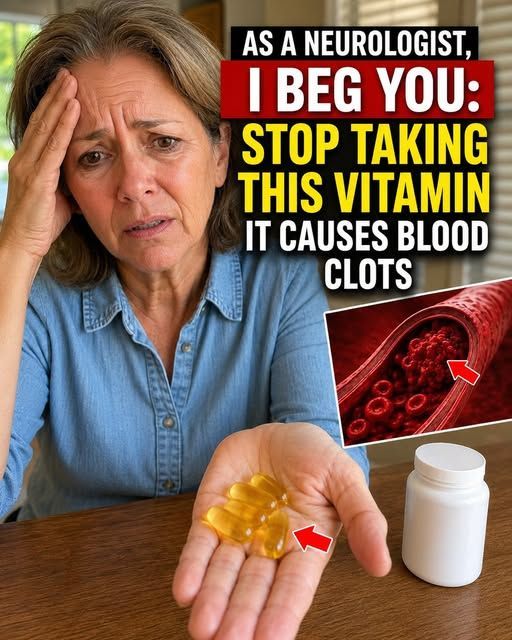
What if one common supplement you take every day deserves a closer look? In this article, we’ll explore the science behind vitamins and blood clotting in a balanced way, share practical insights, and reveal simple steps you can consider for better awareness.
Why Blood Clotting Balance Matters for Healthy Aging
As we age, our bodies naturally manage a delicate balance between preventing excessive bleeding and avoiding unwanted clots. Factors like lifestyle, medications, and diet all play a role. Supplements that influence vitamin K levels, for instance, support the production of proteins essential for normal clotting.
Research has highlighted how consistent intake of certain nutrients can interact with this system. Studies suggest that maintaining steady levels helps the body function smoothly, especially for those managing heart health or taking specific prescriptions. But variations in supplement use sometimes prompt questions about potential effects.
Here’s the key point: It’s not about fear—it’s about informed choices. Understanding how popular vitamins fit into your routine can help you feel more confident.
The Vitamin in Question: Vitamin K and Its Role
Vitamin K is essential. It helps the liver produce clotting factors that stop bleeding when needed. Foods like leafy greens (kale, spinach) and broccoli naturally provide it, while many seniors take supplements or gummies for bone support alongside vitamin D.
Some online headlines warn about “stopping” it due to clotting risks. The reality is more nuanced. Vitamin K supports normal coagulation rather than causing sudden problems in healthy people. However, for individuals on blood-thinning medications like warfarin, consistent intake (not sudden high doses) is crucial to avoid interfering with treatment.
But that’s not the full story. Many experts emphasize that dietary vitamin K from food is generally well-tolerated, and supplements are regulated. The concern usually arises with high-dose changes or interactions, not everyday use.

Common Questions About Supplements and Clotting Risk
Let’s break down what research shows:
- Vitamin K1 (phylloquinone): Found in plants, supports clotting and bone health.
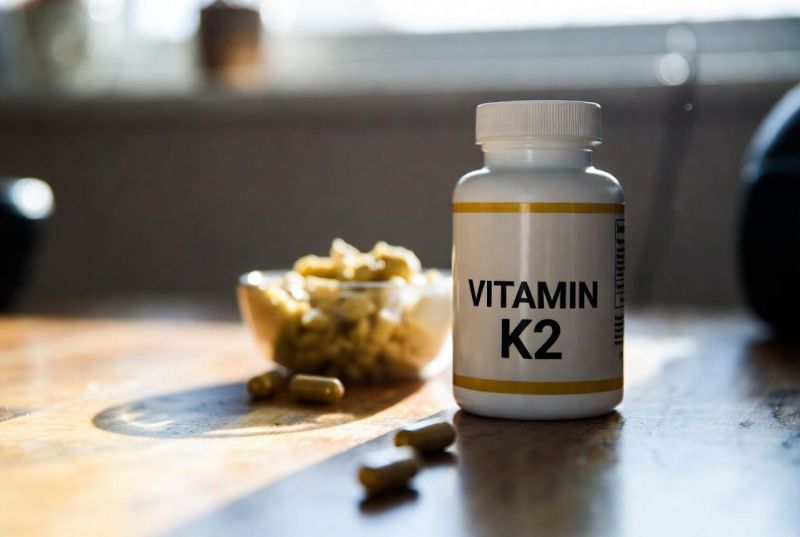
- Vitamin K2 (menaquinone): Often in fermented foods or supplements, researched for cardiovascular and bone benefits.
- High-dose vitamin E or certain fish oils may have mild blood-thinning effects in some cases, potentially interacting differently.
A 2015 study on vitamin supplementation and venous thrombosis risk found mixed results depending on controls, underscoring the need for personalized advice.
Signs Your Body Might Need Attention (When to Talk to Your Doctor)
While most people tolerate vitamins well, pay attention to:
- Unusual bruising or bleeding
- Leg swelling or pain (possible clot signs)
- Changes in energy or dizziness
These aren’t always supplement-related—many factors like dehydration, inactivity, or underlying conditions contribute.
Practical Tips for Safer Supplement Use
Here are actionable steps you can take today:
- Check with your healthcare provider before starting or stopping any supplement, especially if you take medications.
- Track your intake: Keep a simple log of vitamins and diet for consistency.
- Choose quality: Look for third-party tested products with clear labeling.
- Focus on food first: Incorporate natural sources like dark leafy greens, fermented foods, and healthy fats.
Quick comparison of food vs. supplement sources:
| Source Type | Examples | Benefits | Considerations |
|---|---|---|---|
| Natural Foods | Kale, spinach, natto | Balanced nutrients, fiber | Easier daily consistency |
| Supplements | Gummies, capsules | Convenient dosing | Potential for higher concentrations |
| Combined Approach | Greens + moderate supp. | Comprehensive support | Best with professional guidance |
Lifestyle Habits That Support Healthy Circulation
Beyond vitamins, small daily changes make a big difference for seniors:
- Stay hydrated throughout the day
- Move regularly—even short walks help
- Maintain a balanced diet rich in fruits, vegetables, and omega-3 sources
- Manage stress through gentle activities like stretching or breathing exercises
Here’s the interesting part: Many people notice better overall feelings when they combine mindful supplementation with these habits. It’s not one single change, but a holistic approach.
How to Review Your Current Routine
- List all supplements you’re currently taking.
- Note any medications or health conditions.
- Schedule a conversation with your doctor or pharmacist about potential interactions.
- Consider blood work if recommended to check nutrient levels.
- Adjust gradually rather than making big changes overnight.
This step-by-step process empowers you to make decisions that feel right for your body.
Why Consistency Beats Perfection
The goal isn’t to eliminate vitamins but to use them wisely. Many seniors benefit from targeted supplementation when diet alone falls short. The key is awareness of how nutrients like vitamin K support normal body functions without sudden disruptions.

FAQ
1. Can I still eat leafy greens if I’m concerned about clotting?
Yes, in consistent amounts. Sudden large changes in green vegetable intake can affect those on certain medications more than steady habits.
2. Are gummy vitamins as effective as pills?
Gummies can be convenient and tasty, making it easier to stick with a routine. Choose reputable brands and check dosage.
3. Should seniors avoid all vitamin supplements?
Not necessarily. Many provide valuable support, but individual needs vary. Professional guidance helps tailor what’s best for you.
Final Thoughts
Navigating supplement choices as we age doesn’t have to be confusing. By staying informed about how vitamins interact with our body’s natural processes, you can make choices that support long-term wellness. Focus on balance, consistency, and open conversations with your healthcare team.
Disclaimer: This article is for informational purposes only and is not intended as medical advice. Always consult your doctor or qualified healthcare professional before making any changes to your supplement routine, medications, or diet. Individual results and needs vary.