Many people struggle with slow hair growth, thinning strands, or hair that just doesn’t seem to reach the length they want, no matter how many products they try. The constant cycle of trimming split ends while waiting for noticeable progress can feel incredibly frustrating, especially when social media is filled with before-and-after photos promising dramatic changes. This leaves countless individuals searching for simple, natural ways to support healthier-looking hair from the comfort of home.
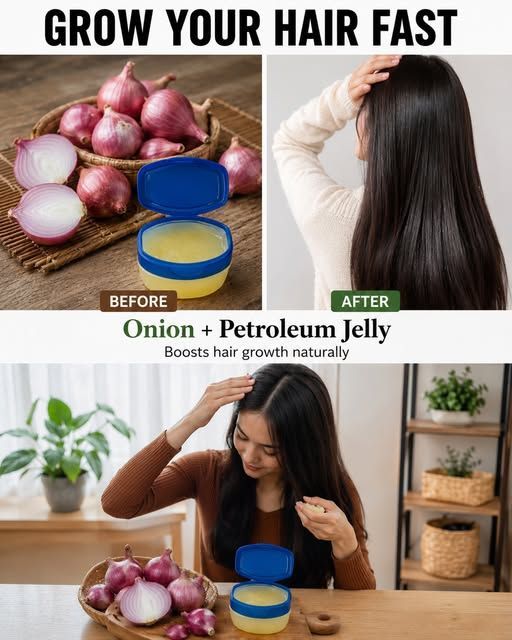
What if a combination of two everyday kitchen and bathroom staples could offer a new approach worth trying in your routine? In this article, we’ll dive deep into the viral onion and Vaseline method that’s been buzzing online, exploring the science, practical steps, and real-user experiences so you can decide if it fits your hair care journey. Stick around until the end for a surprising tip that many overlook.
Understanding Why People Are Talking About Onion and Vaseline for Hair
The internet loves quick, affordable beauty hacks, and this one combines fresh onion juice with petroleum jelly (commonly known as Vaseline). Proponents mix them into a simple mask or treatment applied to the scalp and hair. But what’s really behind the hype?
Onions are rich in sulfur compounds, antioxidants like quercetin, and other nutrients that have caught the attention of researchers. A small 2002 study published in the Journal of Dermatology found that crude onion juice applied to the scalp showed promising results for certain types of patchy hair loss, with many participants noticing regrowth over several weeks. While this research focused on a specific condition and involved a limited number of people, it sparked interest in onion’s potential to support a healthier scalp environment.
But here’s the key distinction: Normal daily hair growth is typically around 0.5 inches (about 1.27 cm) per month for most people. Claims of extreme speeds like “2 cm per day” are not supported by science and should be viewed with healthy skepticism. Instead, the focus with this method is often on creating better conditions for existing hair to thrive—reducing breakage, adding moisture, and potentially stimulating follicles through natural compounds.
Vaseline, on the other hand, acts primarily as an occlusive. It forms a barrier that can help lock in moisture and protect hair from environmental damage, though there’s no strong evidence it directly accelerates growth. When combined, the idea is that onion juice provides potential nourishing elements while Vaseline helps the mixture stay in place longer for better absorption.
This viral trend taps into our desire for simple solutions. But let’s break it down further with what the evidence actually suggests.
The Potential Benefits Backed by Limited Research and Tradition
Onion juice has been used in traditional hair care for generations across various cultures. Here’s why it continues to intrigue:
- Sulfur content: Onions are high in sulfur, which is a building block for keratin—the protein that makes up most of your hair. Some believe this supports stronger, thicker-looking strands.
- Antioxidant properties: Compounds like quercetin may help with scalp circulation and reduce oxidative stress.
- Scalp health support: The natural antimicrobial qualities could create a cleaner environment, potentially reducing issues like dandruff that hinder growth.
Studies, though limited, hint that topical onion applications might improve blood flow to follicles and encourage a healthier growth cycle in some cases. However, results vary widely based on individual factors like age, genetics, diet, and overall health.
Vaseline’s role is more about protection. It can minimize moisture loss, reduce friction that leads to breakage, and make hair appear shinier and smoother. Together, they form a rich, emollient treatment that feels luxurious during application.
Important note: While many share positive anecdotes online, individual results are not guaranteed. What works beautifully for one person may offer subtle improvements for another.
How to Prepare and Apply the Onion and Vaseline Hair Mask (Step-by-Step Guide)
Ready to try this at home? Here’s a straightforward, actionable recipe based on popular variations. Always do a patch test first on your inner arm to check for sensitivity.
Ingredients You’ll Need:
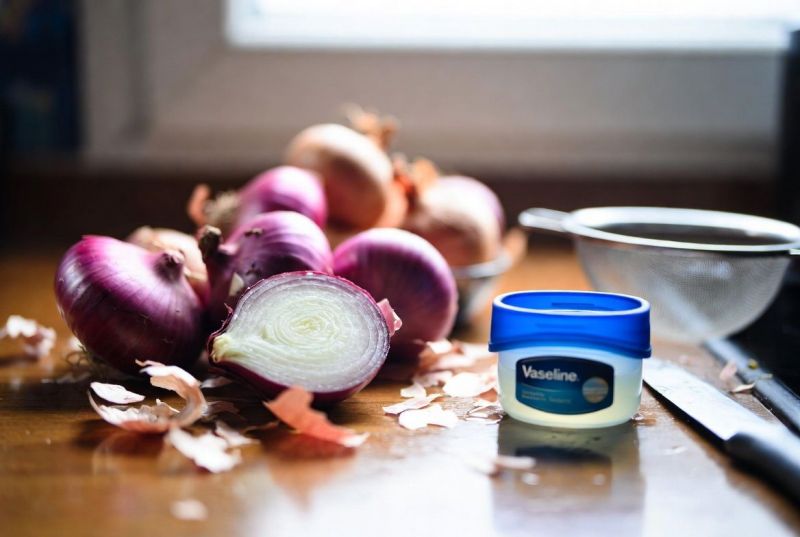
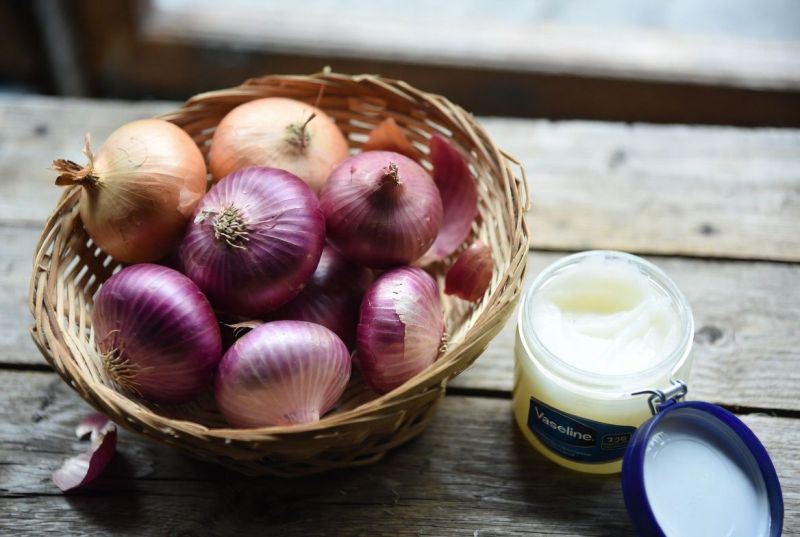
- 1-2 medium fresh onions (red or white)
- 2-3 tablespoons petroleum jelly (Vaseline)
- Optional add-ins: A few drops of essential oil like rosemary or lavender for scent (if tolerated), or a teaspoon of honey for extra moisture
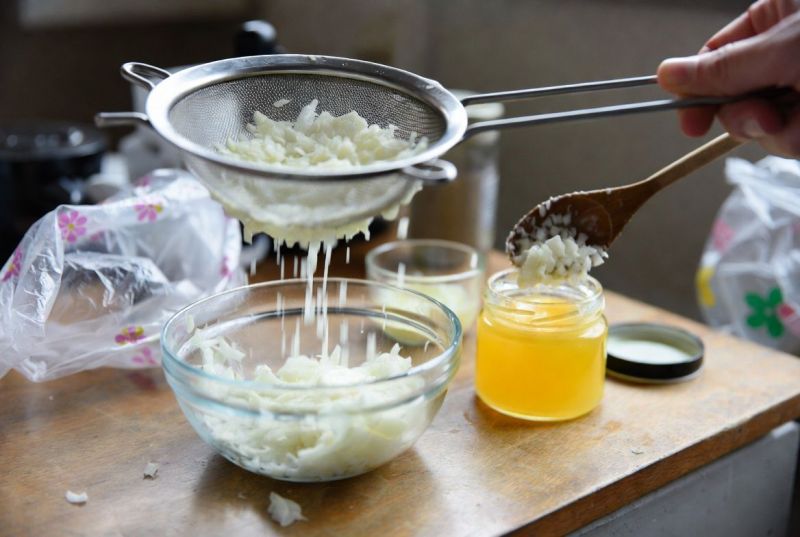
Step-by-Step Instructions:
- Extract the onion juice: Peel and chop the onions, then blend or grate them. Strain the mixture through a cheesecloth or fine sieve to collect the juice. You should get about 1/4 to 1/2 cup.
- Mix the mask: In a clean bowl, combine the onion juice with the petroleum jelly. Stir until it forms a smooth, spreadable consistency. If it’s too runny, add a bit more Vaseline.
- Prepare your hair: Start with clean, dry or slightly damp hair. Section it for even application.
- Apply to scalp and lengths: Massage the mixture gently into your scalp using circular motions for 5-10 minutes. Work it through the mid-lengths and ends if desired, focusing on areas of concern.
- Leave it on: Cover with a shower cap and let it sit for 30-60 minutes (or longer if comfortable). Some prefer overnight, but start shorter to assess tolerance.
- Rinse thoroughly: Wash out with a mild shampoo, possibly repeating to remove all residue. Follow with conditioner.
Pro Tip: Use this 1-2 times per week. Consistency matters more than frequency—listen to your scalp and adjust.
Many users report that the mixture feels nourishing, though the onion scent can be strong (mitigate it with essential oils or a vinegar rinse afterward).
Comparing Onion and Vaseline to Other Popular Hair Growth Approaches
| Method | Key Ingredients | Potential Pros | Potential Cons | Best For |
|---|---|---|---|---|
| Onion + Vaseline | Onion juice, petroleum jelly | Affordable, easy to make, moisturizing | Strong smell, possible irritation | Dry or breakage-prone hair |
| Rosemary Oil | Diluted essential oil | Pleasant scent, circulation support | Needs dilution, can be pricey | Mild daily use |
| Coconut Oil Mask | Pure coconut oil | Deep conditioning, widely available | Can be heavy for fine hair | Dry, damaged strands |
| Commercial Serums | Minoxidil, peptides | Clinically studied options | Higher cost, possible side effects | Targeted concerns |
This table highlights why the viral method appeals—it’s budget-friendly and uses items most people already have.
Common Mistakes to Avoid and Tips for Better Results
Even simple remedies can go wrong if not done thoughtfully. Here are key pointers:
- Don’t overdo the onion: Too much juice can irritate sensitive scalps. Dilute if needed.
- Patch test always: Especially important for those with allergies or eczema.
- Focus on overall hair health: Pair this with a balanced diet rich in protein, biotin, iron, and vitamins. Stay hydrated and manage stress.
- Be gentle when rinsing: Harsh scrubbing can cause more breakage.
- Track your progress: Take weekly photos in consistent lighting rather than relying on daily mirror checks.
But that’s not all—combining this with scalp massages can enhance the experience by boosting circulation naturally.
Real Experiences: What People Are Saying
Across forums and social platforms, feedback on the onion and Vaseline combo is mixed but often positive regarding shine and reduced shedding. Some notice softer hair and less tangling after a few uses, while others see minimal change. Remember, these are personal stories, not clinical proof. Factors like consistent use, complementary routines (gentle shampooing, avoiding heat tools), and patience play huge roles.
Enhancing Your Routine: Additional Habits for Healthier Hair
To maximize any topical treatment:
- Eat nutrient-dense foods: Eggs, nuts, spinach, and fatty fish support keratin production.
- Practice regular scalp exfoliation (gently, 1-2 times weekly).
- Choose sulfate-free products.
- Get regular trims to prevent split ends from traveling up the shaft.
- Protect hair from sun and pollution with hats or sprays.
These habits create synergy with natural remedies.
Conclusion: Is the Onion and Vaseline Method Worth Trying?
The viral onion and Vaseline hair care approach offers an accessible way to pamper your scalp and strands using simple ingredients. While scientific backing is stronger for onion juice in specific scenarios and more anecdotal for the full combination, many appreciate the ritual and potential moisturizing effects. Approach it with realistic expectations—healthy hair growth takes time, consistency, and a holistic lifestyle.
Experiment mindfully, observe how your hair responds, and enjoy the process of caring for yourself.
FAQ
1. How often should I use the onion and Vaseline treatment?
Most people start with once or twice a week. Adjust based on how your scalp feels—more frequent use may increase irritation risk.
2. Will this method really make my hair grow much faster?
Normal hair growth rates are relatively consistent, but supporting scalp health and reducing breakage can help hair look longer and fuller over time. Dramatic daily increases are not realistic.
3. Is the smell permanent, and how do I remove the mixture easily?
The onion odor usually washes out with a good shampoo and optional apple cider vinegar rinse. Using it at night and washing in the morning helps.
Disclaimer: This article is for informational purposes only and is not a substitute for professional medical advice. Consult a dermatologist or healthcare provider before trying new hair treatments, especially if you have scalp conditions, allergies, or are pregnant. Results vary, and what works for one person may not work for another. Always prioritize safety and listen to your body.