You notice a strange, unpleasant odor in your breath that just won’t go away, no matter how often you brush your teeth. Then you spot tiny white or yellowish lumps nestled in the back of your throat, sometimes feeling like something is stuck or causing mild discomfort when you swallow. These small, smelly white stones are tonsil stones, a common but often surprising issue that affects many people. The good news is that simple daily habits can help manage their appearance and reduce the frustration they bring. In this guide, you’ll discover exactly why they form and practical ways to address them safely at home.
What Are Tonsil Stones?
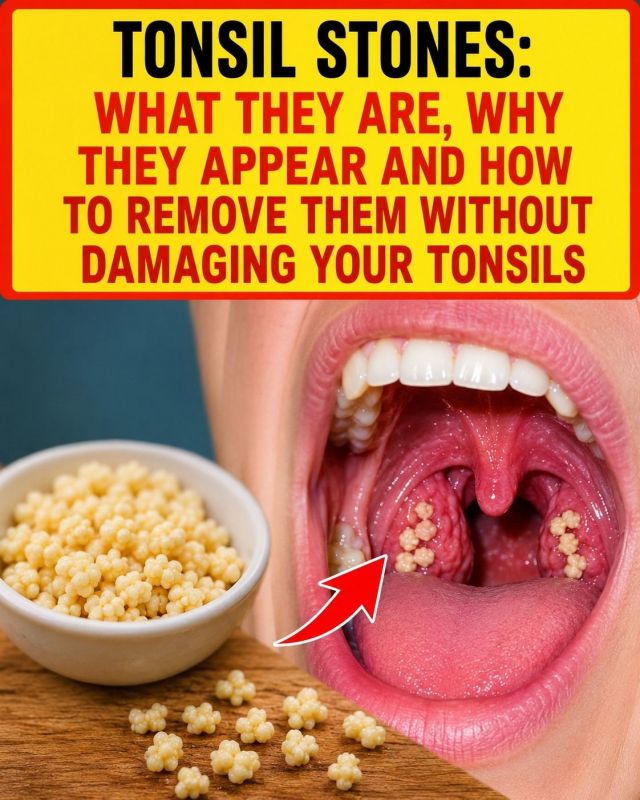
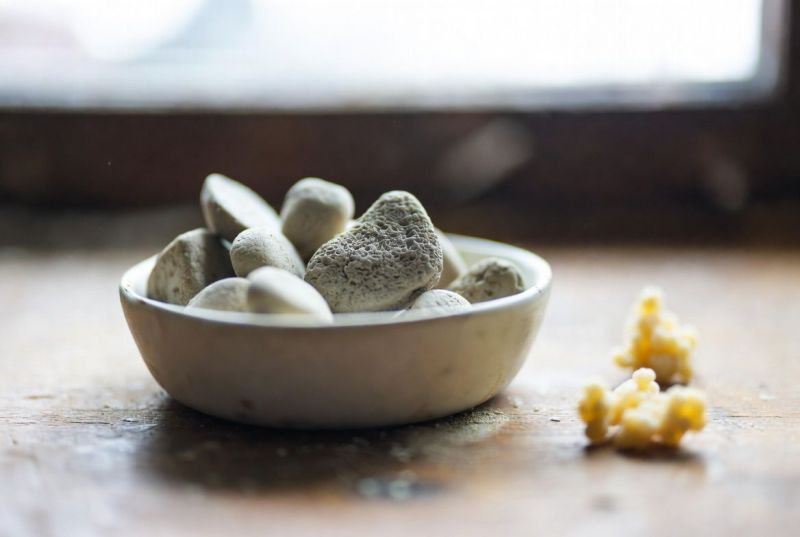
Tonsil stones, also known as tonsilloliths, are small, hardened formations that develop in the natural crevices of your tonsils. These crevices, called crypts, can trap bits of food, dead cells, mucus, and bacteria over time. As the material builds up, it hardens into pebble-like lumps that range from white to yellowish in color.
Many people have tonsil stones without even realizing it, especially if the stones are small. Others notice them because of the noticeable bad breath they can cause. Research shows that these formations are quite common and usually harmless, though they can be annoying.
But here’s the part that surprises most people: They are not actually “stones” in the medical sense like kidney stones. Instead, they form from everyday debris that gets caught and calcifies in the tonsils.
Why Do Tonsil Stones Form?
Tonsil stones appear when debris accumulates in the tonsillar crypts and hardens. Factors that contribute include:
- Deep or irregular tonsil crevices that trap particles more easily
- Poor oral hygiene allowing bacteria and food residue to build up
- Post-nasal drip or excess mucus from allergies or sinus issues
- Frequent tonsil inflammation or large tonsils
Studies indicate that bacteria play a key role, as they interact with trapped material to create the calcified lumps. This process explains the distinctive smell often associated with them.
People with chronic tonsillitis or those who breathe through their mouth more often may notice them more frequently. The good news? Understanding these triggers opens the door to simple prevention strategies.
Common Signs You Might Have Tonsil Stones
While some stones cause no noticeable issues, others lead to subtle but persistent symptoms:
- Persistent bad breath (halitosis) that brushing doesn’t fully resolve
- A metallic or unpleasant taste in the mouth
- Feeling like something is lodged in your throat
- Mild sore throat or ear discomfort
- Visible white or yellow spots on the tonsils
If you’ve ever coughed up a small, foul-smelling particle, that’s often a tonsil stone dislodging naturally.
Safe Ways to Manage Tonsil Stones at Home
The key is being gentle to avoid irritating your tonsils. Here are practical approaches many people find helpful.
Gentle Gargling Techniques
Gargling is one of the simplest and most effective first steps. Warm salt water can help loosen debris and soothe the area.
How to do it step by step:
- Mix 1/2 teaspoon of salt in a glass of warm water
- Take a sip, tilt your head back slightly, and gargle for 10-15 seconds
- Spit out and repeat 2-3 times
- Do this after meals and before bed
This habit can flush out particles before they harden.
Other Everyday Methods
- Coughing: A firm but controlled cough can sometimes dislodge small stones naturally.
- Oral hygiene routine: Brush your teeth and tongue thoroughly twice a day, floss daily, and use an alcohol-free mouthwash.
- Stay hydrated: Drinking plenty of water throughout the day helps maintain saliva flow and reduces buildup.
Many find that combining these habits leads to fewer occurrences over time.
Tools and Habits That Can Make a Difference
Here’s a quick comparison of common at-home options:
| Method | Ease of Use | When to Try It | Notes |
|---|---|---|---|
| Salt Water Gargle | Very Easy | Daily prevention | Soothes and loosens debris |
| Water Irrigator | Moderate | Visible stones | Use on low pressure only |
| Gentle Coughing | Easy | When you feel something stuck | Natural and no tools needed |
| Cotton Swab | Careful | Visible and accessible stones | Extremely gentle pressure |
Always prioritize safety and stop if you feel pain or excessive irritation.
This is where it gets interesting: Consistency with these simple routines often reduces how often new stones appear, giving your mouth a better chance to stay fresh.
Daily Habits to Help Reduce Tonsil Stone Formation
Prevention focuses on minimizing the debris that gets trapped. Try incorporating these tips:
- Brush and floss after meals to remove food particles quickly
- Clean your tongue regularly with a scraper or toothbrush
- Use a humidifier if you live in a dry environment
- Manage allergies or sinus issues to reduce excess mucus
- Consider an alcohol-free mouthwash as part of your evening routine
These steps support overall oral health and can make a noticeable difference in how often stones develop.
When to Consult a Professional
Most tonsil stones are manageable at home, but if you experience ongoing discomfort, difficulty swallowing, or frequent infections, it’s wise to speak with a healthcare provider. They can offer guidance tailored to your situation and ensure nothing more serious is occurring.

Frequently Asked Questions
Are tonsil stones contagious?
No, tonsil stones are not contagious. They result from natural processes in your own mouth and tonsils.
Can tonsil stones go away on their own?
Yes, many small tonsil stones dislodge naturally through swallowing, coughing, or daily activities.
How can I prevent them from coming back?
Maintaining excellent oral hygiene, staying hydrated, and gargling regularly are the most effective ways to minimize their return.
Final Thoughts
Dealing with small, smelly white stones in your mouth can be frustrating, but understanding why they form and adopting simple daily habits makes a big difference. By focusing on gentle care and consistent oral hygiene, many people successfully reduce their occurrence and enjoy fresher breath and greater comfort.
Remember, this information is for educational purposes only and is not a substitute for professional medical advice. If you have concerns about your symptoms, consult a qualified healthcare provider for personalized guidance.