Many people struggle with common oral concerns like occasional bad breath, sensitivity after meals, or the feeling that their teeth and gums could use extra daily support. These issues can affect confidence in conversations, make you hesitant to smile freely, and become more noticeable over time, especially with busy lifestyles and dietary habits. But what if a simple, time-honored herb from traditional wellness practices could offer gentle everyday support?
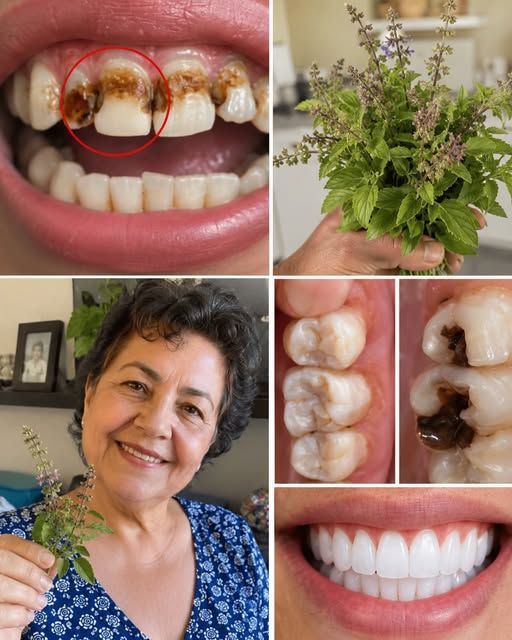
In this article, we’ll explore how Holy Basil, also known as Tulsi, is being looked at for its potential role in oral care routines. You’ll discover practical ways to incorporate it, backed by what studies suggest about its properties, and actionable tips you can try at home.
What Is Holy Basil (Tulsi) and Why Consider It for Oral Wellness?
Holy Basil (Ocimum sanctum or Ocimum tenuiflorum) is a revered herb in Ayurvedic traditions, often called the “Queen of Herbs.” It’s distinct from the sweet basil used in cooking, with a more peppery, clove-like aroma. People have used its leaves, stems, and extracts for centuries in various wellness practices.
Modern interest focuses on its natural compounds, including eugenol, ursolic acid, and flavonoids. These contribute to its aromatic and antioxidant profile. Research has examined how these elements interact with oral environments, particularly in supporting microbial balance and comfort.
Understanding Common Oral Health Challenges
Daily life exposes our mouths to sugars, acids, and bacteria that can contribute to plaque buildup, occasional gum discomfort, and less-than-fresh breath. Streptococcus mutans, for example, is a bacterium often discussed in relation to plaque. When balance shifts, it can lead to that sticky feeling or sensitivity.
Traditional approaches like brushing, flossing, and regular dental visits remain foundational. Many people are also exploring complementary habits from nature to support their routine.
The Science Behind Tulsi’s Potential Oral Benefits
Studies suggest Tulsi extracts may exhibit antimicrobial properties that could help limit the growth of certain oral bacteria. In laboratory settings, Tulsi has shown activity against organisms associated with plaque and oral balance.
Some small clinical observations have looked at Tulsi-based mouth rinses. Participants using them reported reductions in bacterial counts and improvements in breath freshness compared to controls in certain trials. These findings point to potential supportive roles rather than replacements for professional care.
Key compounds in Tulsi that interest researchers include:
- Eugenol: Known for its aromatic qualities and studied for antimicrobial effects.
- Flavonoids and antioxidants: May help with everyday oxidative stress in oral tissues.
- Anti-inflammatory components: Potentially soothing for minor gum irritation from daily use.
It’s important to note that results vary, and more large-scale research continues.
How Tulsi May Support Gum Comfort and Fresh Breath
Gum health is crucial for overall oral stability. Tulsi’s traditional use includes gentle massage or rinses that may help maintain comfort. Its astringent properties are thought to support tissue tone, similar to how certain herbal teas work.
For breath, the natural volatile oils provide a clean, herbal scent that can complement brushing. Chewing a leaf or using a rinse may temporarily neutralize odors from food or bacteria.
Potential Role in Everyday Tooth Care
While no herb replaces fluoride or professional cleanings, Tulsi is sometimes explored in pastes or rinses for its mild abrasive and balancing effects. Traditional preparations involve powdered dried leaves mixed with other gentle ingredients.
Actionable Ways to Incorporate Holy Basil into Your Oral Routine
Here are simple, practical methods you can explore. Always start small and observe how your body responds.
Simple Tulsi Mouth Rinse Recipe (Daily Support):
- Boil 1–2 teaspoons of fresh or dried Tulsi leaves in a cup of water for 5–10 minutes.
- Let it cool completely.
- Strain and use as a rinse after brushing, swishing gently for 30–60 seconds.
- Do not swallow large amounts.
Tulsi Leaf Chewing Tip:
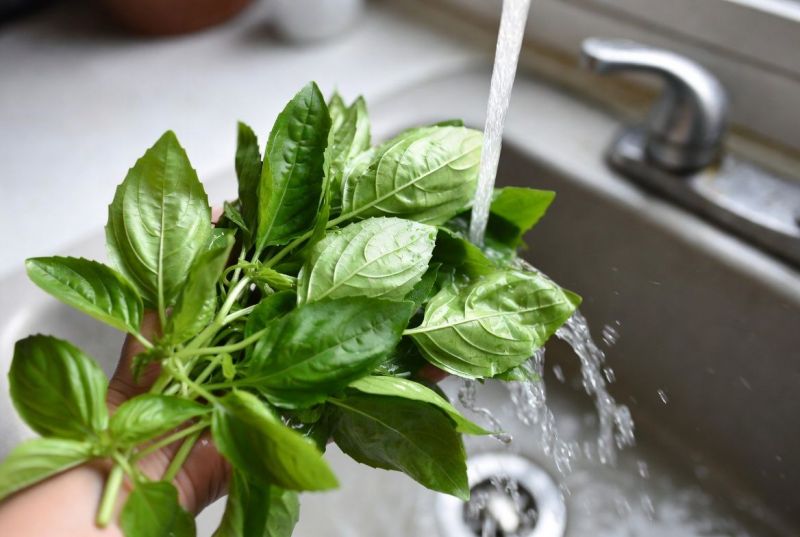
- Wash a few fresh leaves thoroughly.
- Chew slowly for 1–2 minutes, then rinse your mouth. This is a traditional practice for breath freshness. Limit frequency to avoid any potential staining over time.
Gentle Tulsi Tooth Powder Idea:
- Dry Tulsi leaves completely and grind into a fine powder.
- Mix a small amount with your regular toothpaste or use sparingly with a wet brush.
- Use 2–3 times per week.
Comparison of Common Oral Support Options:
| Approach | Frequency | Potential Benefits | Considerations |
|---|---|---|---|
| Tulsi Rinse | Daily | Fresh breath, microbial balance | Mild herbal taste |
| Regular Brushing + Floss | 2x daily | Plaque removal, enamel protection | Essential foundation |
| Commercial Mouthwash | As directed | Strong antibacterial | May contain alcohol |
| Tulsi + Oil Pulling | 2–3x weekly | Soothing, cleansing | Takes time to get used to |
More Tips for a Complete Oral Wellness Routine
- Stay hydrated: Water helps wash away food particles and supports saliva flow.
- Mind your diet: Limit frequent snacking on sugary or acidic foods.
- Combine with other herbs: Some explore Tulsi with cloves or neem, but check for personal sensitivities.
- Consistency matters: Natural approaches often show subtle benefits over weeks of regular, gentle use.
But that’s not all—there’s one traditional preparation that many find particularly enjoyable and effective for daily integration.
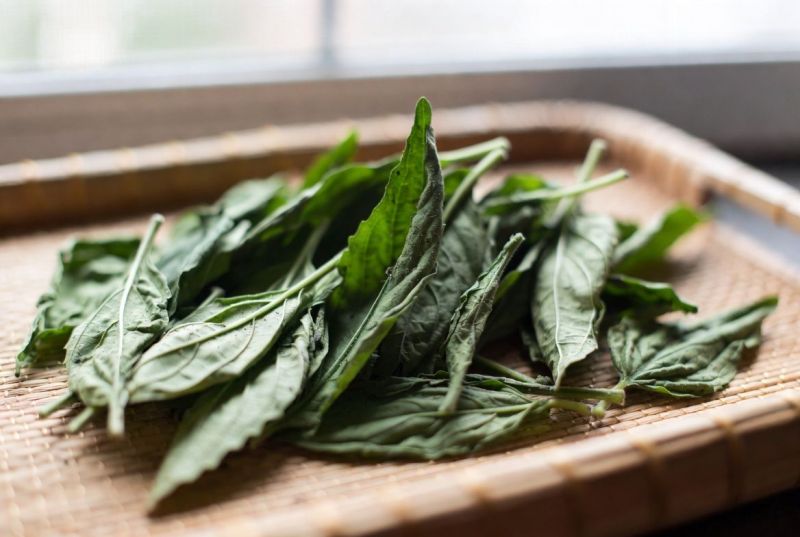
Preparing Tulsi Tea for Dual Wellness Benefits
Tulsi tea is a versatile option. Steep leaves in hot water, cool slightly, and use as both a drink and a final mouth rinse. The warmth can feel soothing, and the ritual encourages mindful moments.
Step-by-step Tulsi Tea for Oral Support:
- Use 4–5 fresh leaves or 1 tsp dried.
- Pour hot (not boiling) water over leaves.
- Steep 5–7 minutes.
- Strain, cool to comfortable temperature.
- Sip or use as rinse. Add a touch of honey if desired (in moderation).
What Research Says About Tulsi Mouthwashes
Several studies have compared herbal rinses containing Tulsi to standard options. In some cases, they performed comparably in reducing bacterial load shortly after use, especially in supporting salivary pH balance after meals.
These are promising observations, but individual results differ based on overall hygiene and health.
Safety Considerations and Best Practices
Tulsi is generally considered safe when used as a food or rinse in moderate amounts. However:
- Consult a dentist or healthcare provider before making significant changes, especially if you have existing conditions or dental work.
- Avoid excessive direct chewing long-term to protect enamel.
- Source high-quality, organic Tulsi when possible.
- Discontinue if any irritation occurs.
Real-Life Experiences and Community Insights
Many people incorporating Tulsi report a fresher feeling throughout the day and appreciate its natural aroma. While anecdotal, these stories highlight its popularity in holistic wellness circles.
Conclusion: A Gentle Addition to Your Smile Routine
Holy Basil offers an accessible way to explore nature-based support for oral wellness. By adding simple rinses or teas to your existing habits, you may enjoy fresher breath and more comfortable gums as part of a balanced approach. Remember, the best results come from consistent care combined with professional dental guidance.
What small change will you try first? Share in the comments if you’ve experienced Tulsi in your routine.
FAQ
1. Can I use Tulsi every day for oral care?
Yes, in moderate forms like rinses or tea, most people tolerate daily use well. Listen to your body and consult professionals for personalized advice.
2. Does Tulsi replace my regular toothpaste or dental visits?
No. It serves as a complementary habit alongside standard oral hygiene and regular check-ups.
3. Where can I find good quality Holy Basil?
Look for organic dried leaves, fresh plants, or reputable supplement brands at health stores or online. Ensure proper storage to maintain freshness.
Disclaimer: This article is for informational purposes only and is not intended to diagnose, treat, cure, or prevent any disease. The information provided should not replace professional medical or dental advice. Always consult with qualified healthcare providers before trying new remedies, especially if you have health concerns or are on medications.