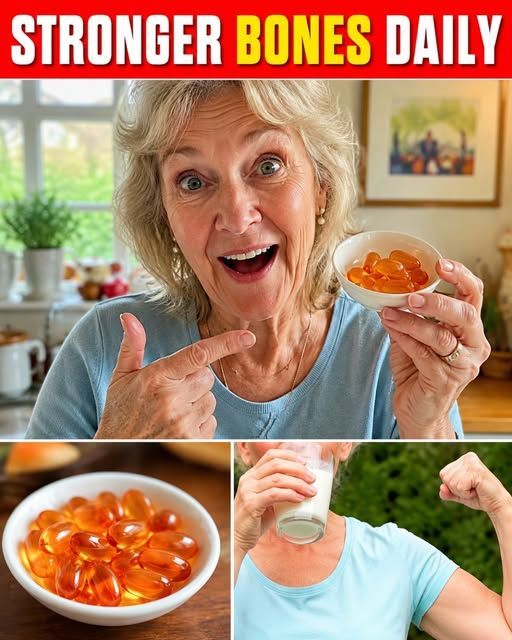
You open the cupboard, see a row of vitamin bottles, and feel that small pinch of embarrassment because you are not fully sure what each one is doing for you. Maybe a friend swears by CoQ10 softgels, maybe an online post says they support “stronger bones daily,” and suddenly one orange capsule starts to feel like the answer. The truth is more useful and more comforting than that: CoQ10 may have a place in a smart routine, but it should never distract you from the proven basics your bones, muscles, and energy depend on. Stay with me, because the most important step is not the softgel itself, but the simple “two minute check” near the end that many older adults skip.
What CoQ10 Really Is After 60
CoQ10, short for coenzyme Q10, is a substance your body naturally makes. It is involved in how your cells make energy, and it also works as an antioxidant. Mayo Clinic explains that cells use CoQ10 for growth and energy, and that the body’s CoQ10 levels tend to become lower with age.
That sounds impressive.
But here is where many people get misled.
A CoQ10 softgel is not the same as calcium, vitamin D, protein, or strength exercise. It is not a “bone vitamin” in the usual sense. It is better understood as a supplement that some adults use for general cellular energy support, especially when discussing aging, heart health routines, or statin medicine conversations with a clinician.
The National Center for Complementary and Integrative Health says CoQ10 is naturally present in the body, with high levels in organs such as the heart, liver, kidneys, and pancreas. It is also sold as a dietary supplement, but the evidence for many specific health uses remains limited or mixed.
That means the smart question is not, “Will CoQ10 make my bones strong?”
The smarter question is, “Does CoQ10 fit safely into the health routine I already need?”
That small change in thinking can save money, reduce confusion, and help you avoid leaning on one capsule while ignoring bigger habits.
Why CoQ10 Softgels Feel So Convincing
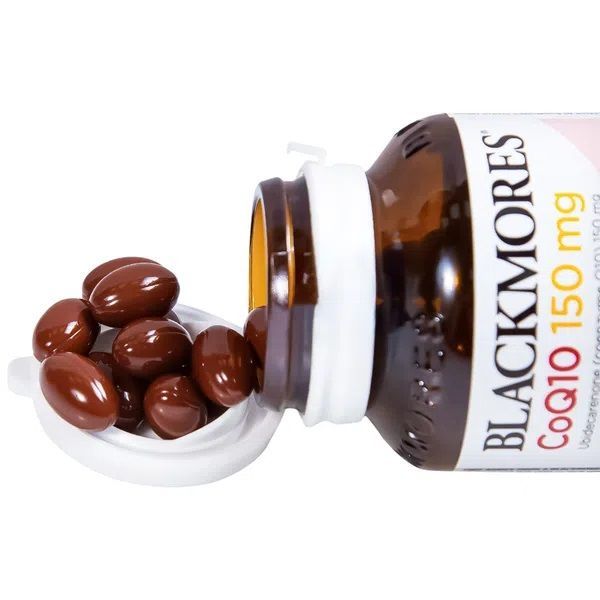
Softgels feel reassuring because they look simple. One capsule. One glass of water. One small habit.
For many adults over 60, that is appealing. Nobody wants a complicated health plan with ten confusing rules before breakfast. People want something calm, familiar, and easy to repeat.
Sự thật là, this is exactly why supplements can become emotionally powerful. They give you a sense of control.
But control is not the same as complete support.
A CoQ10 softgel may be part of a thoughtful routine, but it cannot replace a balanced meal, daily movement, enough protein, calcium rich foods, vitamin D awareness, safer walking habits, and regular medical checkups.
The Bone Health and Osteoporosis Foundation describes calcium and vitamin D as two major nutrients for bone health. Calcium helps build and maintain bones, while vitamin D helps the body absorb calcium and supports muscles involved in avoiding falls.
That is why a CoQ10 habit should sit beside your bone basics, not on top of them.
Think of it this way: CoQ10 may be one small tool in the kitchen drawer. Bone support needs the whole kitchen working.
CoQ10 And Bones: What It Can And Cannot Do
image_group:
query: “older woman comparing supplement bottles with calcium rich foods and walking shoes on table”
num_per_query: 1
Let’s be honest in plain language.
There is no good reason to present CoQ10 as a guaranteed bone strength solution. In Europe, health claims are held to strict standards, and an EFSA scientific opinion concluded that a cause and effect relationship had not been established between CoQ10 consumption and several claimed health effects.
That does not mean CoQ10 is useless.
It means the promise must be kept realistic.
Here is a simple comparison: <table> <tr> <th>Habit</th> <th>What it may support</th> <th>What not to assume</th> </tr> <tr> <td>CoQ10 softgel</td> <td>General cellular energy support and antioxidant related interest</td> <td>Do not assume it directly strengthens bones</td> </tr> <tr> <td>Calcium rich foods</td> <td>Bone structure and daily calcium intake</td> <td>Do not assume more is always better</td> </tr> <tr> <td>Vitamin D awareness</td> <td>Calcium absorption and muscle support</td> <td>Do not guess your level if you are at risk</td> </tr> <tr> <td>Strength and balance activity</td> <td>Muscles, steadiness, confidence, fall risk reduction</td> <td>Do not wait until you feel weak to begin</td> </tr> <tr> <td>Medication review</td> <td>Safety, interactions, dizziness risk, timing</td> <td>Do not stop medicine without professional advice</td> </tr> </table>
Đây là phần thú vị nhất: for older adults, the danger is often not one missing supplement. The bigger danger is a routine that feels healthy but has hidden gaps.
You may take a softgel every morning, yet still skip breakfast protein.
You may buy expensive vitamins, yet still have loose rugs in the hallway.
You may drink milk, yet avoid strength exercises because you feel “too old.”
Those quiet gaps matter.
The CDC lists several fall risk factors for older adults, including lower body weakness, vitamin D deficiency, walking and balance difficulties, certain medicines, vision problems, foot pain, poor footwear, and home hazards such as uneven steps or clutter.
So if bone confidence is your goal, do not make CoQ10 the whole story.
The Safer Way To Take A CoQ10 Softgel
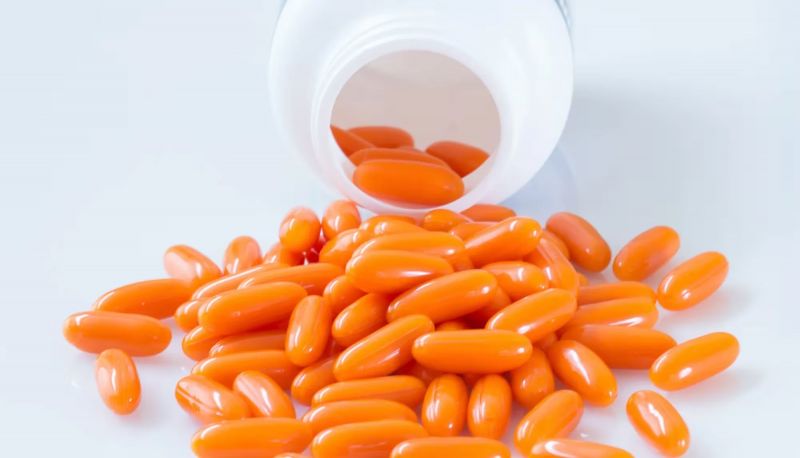
A CoQ10 softgel is often taken with food because CoQ10 is fat soluble. The Linus Pauling Institute notes that CoQ10 is best absorbed with fat in a meal.
That does not mean you need a heavy, greasy meal.
A normal breakfast or lunch with a small amount of healthy fat may be enough for many people. Examples include eggs, olive oil, yogurt, nuts, salmon, sardines, avocado, or nut butter.
Use this simple routine:
- Place the bottle where you eat, not beside your bed.
- Take it with a real meal, not just coffee.
- Read the label carefully and avoid doubling up with multiple products.
- Keep a note of the brand, amount, and time of day.
- Bring that note to your pharmacist or doctor, especially if you take prescription medicine.
Nhưng đó chưa phải là tất cả.
Timing matters because older adults often take more than one medication. A supplement may look harmless, but it can still interact with medicines or create side effects that are easy to blame on aging.
Mayo Clinic lists possible CoQ10 side effects such as stomach discomfort, appetite changes, nausea, diarrhea, dizziness, sleep problems, tiredness, headaches, rash, and irritability. It also notes that CoQ10 may make warfarin, a blood thinning medicine, work less well.
NCCIH also warns that CoQ10 may interact with warfarin and insulin, and may not be compatible with some cancer care approaches.
That is why the safest habit is not simply “take CoQ10 daily.”
The safest habit is “take CoQ10 only when it fits your medication list and health situation.”
The Bone Support Routine CoQ10 Should Not Replace
If your real concern is stronger bones, steadier legs, and staying independent, your daily routine needs a wider foundation.
Start with food.
Calcium rich foods include dairy products, fortified plant milks, tofu made with calcium, canned fish with soft bones, leafy greens, almonds, and fortified cereals. The Bone Health and Osteoporosis Foundation lists food as the best source of calcium and notes that women age 51 and older and men age 71 and older generally need 1,200 mg of calcium daily from food and supplements combined.
Vitamin D also deserves attention. The same foundation explains that adults age 50 and older commonly need 800 to 1,000 IU of vitamin D daily, while the safe upper limit for most adults is 4,000 IU per day.
But please do not turn this into a supplement race.
More is not automatically better.
A practical plate often does more good than a crowded supplement shelf.
Try this “bone basics plate” once a day:
- One protein food, such as eggs, fish, Greek yogurt, beans, poultry, tofu, or lentils.
- One calcium source, such as yogurt, milk, fortified soy drink, calcium set tofu, or sardines.
- One colorful plant food, such as berries, spinach, broccoli, peppers, or citrus.
- One healthy fat, such as olive oil, nuts, seeds, avocado, or oily fish.
- One glass of water or unsweetened drink to support normal hydration.
Now add movement.
The NHS advises older adults to keep bones healthy through a bone friendly diet and suitable exercise, and it also reminds people not to stop medicines without advice from a qualified health professional.
A gentle start is better than a perfect plan you never do.
Try this simple weekly pattern:
- Walk most days, even if it is only 10 minutes.
- Do chair stands three days a week.
- Practice heel raises while holding the kitchen counter.
- Add light resistance bands if your doctor or physiotherapist says it is appropriate.
- Check your home for trip hazards every Sunday.
This is where a family doctor would be firm with you: do not let a capsule become an excuse to sit all day.
Bones respond to load. Muscles respond to use. Balance responds to practice.
A softgel cannot practice balance for you.
When To Pause Before Taking CoQ10
A supplement decision becomes more serious when prescription medicines enter the picture.
Pause and ask a professional before using CoQ10 if any of these apply:
- You take warfarin or another blood thinning medicine.
- You use insulin or diabetes medicine.
- You are receiving cancer care or recently completed it.
- You have upcoming surgery.
- You have unexplained dizziness, fainting, new palpitations, or unusual tiredness.
- You already take several supplements and cannot remember the amounts.
- You are buying CoQ10 because an advertisement made you afraid.
The last point matters.
Fear sells supplements very well.
A trustworthy routine should make you calmer, not more panicked. It should help you ask better questions, not push you into buying three bottles at midnight.
Also, do not stop cholesterol medicine because someone online said CoQ10 is “natural support.” NCCIH reports that the overall scientific evidence does not support the idea that CoQ10 reduces muscle pain caused by statins, although individual studies have varied.
Mayo Clinic also describes the evidence for statin related muscle symptoms as not strong enough to know for sure.
So here is the sensible path: if you have muscle discomfort while taking a statin, call your doctor or pharmacist. Do not quietly stop the prescription. Do not secretly add multiple supplements. Do not assume the softgel will solve the problem.
Your future self will thank you for being careful.
How To Choose A CoQ10 Softgel Without Wasting Money
Shopping for CoQ10 can feel like standing in front of a wall of promises.
Ubiquinone. Ubiquinol. Softgel. Capsule. High absorption. Extra strength. Heart support. Energy support.
It is easy to feel lost.
Use this calmer checklist:
- Choose a clear label. The amount per serving should be easy to find.
- Avoid products that promise dramatic results.
- Look for independent quality testing when available.
- Check whether the softgel contains soy, gelatin, or other ingredients you avoid.
- Do not buy a high amount just because it looks more powerful.
- Ask your pharmacist whether the product fits your medicine list.
- Start with one change at a time so you can notice how you feel.
Đây là điểm mấu chốt: the best supplement is not the one with the loudest label. It is the one that fits safely into your real life.
Also remember that CoQ10 from food is not usually enough to raise body levels by much, according to Mayo Clinic, but foods such as meat, fish, and nuts do contain some CoQ10.
That makes food still important, just not magical.
If your budget is tight, spend first on the basics: protein foods, calcium rich foods, safe shoes, an eye check, and simple strength tools like resistance bands. A supplement should not push out the habits with broader value.
The Two Minute Check Before You Swallow Another Softgel
This is the small “secret” promised at the start.
Before you take another CoQ10 softgel tomorrow, do a two minute check.
Write these five lines on paper:
- My reason for taking CoQ10 is: __________
- The amount on the label is: __________
- I take it at this time: __________
- My prescription medicines are: __________
- I will ask my pharmacist or doctor about it on: __________
This tiny act changes everything.
It turns a vague habit into an informed habit.
It helps you see whether you are taking CoQ10 because you understand it, or because the bottle made you feel safe.
And it gives your healthcare professional something useful. Doctors and pharmacists cannot protect you from interactions they do not know about.
Now add one more line:
- My bone support habit today is: __________
That answer should not be “CoQ10” only.
A better answer might be “yogurt at breakfast, 10 minute walk, chair stands, and checking the hallway rug.”
That is real life support.
That is how a small softgel stays in its proper place.
Common Mistakes Older Adults Make With CoQ10
The first mistake is expecting CoQ10 to do too much.
It may be part of a personal supplement plan, but it is not a shortcut around movement, food, sleep, hydration, and medical care.
The second mistake is taking it on an empty stomach and then wondering whether it is doing anything. Because CoQ10 is fat soluble, taking it with a meal containing some fat is a more sensible approach.
The third mistake is ignoring side effects because the product is “natural.” Natural does not mean invisible to the body.
The fourth mistake is mixing it with medicines without asking. This is especially important for people using warfarin, insulin, or cancer related medicines, because NCCIH specifically flags these areas of concern.
The fifth mistake is buying from fear.
A good supplement routine should feel boring in the best way: consistent, checked, and realistic.
A bad routine feels dramatic: urgent claims, miracle language, secret warnings, and pressure to buy now.
Choose boring. Boring keeps people safer.
FAQ
Is CoQ10 good for bones after 60?
CoQ10 is not considered a main bone nutrient like calcium or vitamin D. It is more closely discussed for cellular energy and antioxidant roles. If your goal is bone support, focus first on calcium rich foods, vitamin D awareness, strength activity, balance practice, fall prevention, and medical guidance when needed.
Should I take CoQ10 every day?
Some people take CoQ10 daily, but it should be a personal decision based on your health situation, medicines, and goals. Ask your doctor or pharmacist first if you take warfarin, insulin, several prescriptions, or have ongoing specialist care. NCCIH notes possible interactions with warfarin, insulin, and some cancer care approaches.
What is the best time to take a CoQ10 softgel?
Many people take CoQ10 with breakfast or lunch that contains some fat, because CoQ10 is fat soluble and is best absorbed with fat in a meal. Avoid taking it with only coffee unless your healthcare professional has advised otherwise.
Can CoQ10 replace vitamin D or calcium?
No. CoQ10 should not replace calcium or vitamin D when those nutrients are needed. Calcium and vitamin D have specific roles in bone health, while CoQ10 has different roles in the body. The Bone Health and Osteoporosis Foundation explains that vitamin D helps the body absorb calcium and supports muscles involved in avoiding falls.
Is CoQ10 safe for everyone?
CoQ10 is generally considered safe for many adults when used as directed, but it is not right for everyone. Mayo Clinic lists possible mild side effects and warns about a possible interaction with warfarin.
Final Takeaway
A CoQ10 softgel can be a small, familiar habit, and for some older adults it may fit into a well planned routine. But it should not be sold to your mind as a bone strength shortcut.
The better plan is calmer and stronger: eat enough protein, include calcium rich foods, understand your vitamin D needs, move your body, protect yourself from falls, review medicines, and only use supplements that fit safely.
Your health routine does not need to be perfect.
It needs to be honest.
And the most honest habit may be this: before trusting any capsule, ask what job it is supposed to do, what it cannot do, and whether your doctor or pharmacist knows you are taking it.
Medical disclaimer: This article is for general education only and is not a substitute for personal medical advice from your doctor, pharmacist, dietitian, or other qualified healthcare professional.