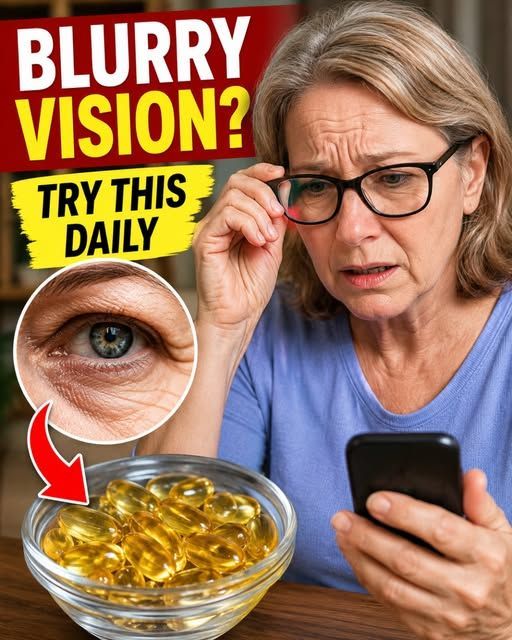
You notice it at the worst possible time: the restaurant menu looks a little softer, your phone screen feels harder to read, and you quietly stretch your arm farther away so no one sees you struggling. That small moment can feel embarrassing, especially when you have always been the one who handled bills, labels, recipes, road signs, and family messages without thinking twice. The good news is that eye health after 60 is not about one miracle pill, and a fish oil softgel is not a magic fix, but it can be part of a steady nutrition routine when used wisely. Stay with me, because the most overlooked part of this habit is not the softgel itself, but the way you take it, choose it, and pair it with everyday meals.
Why Fish Oil Gets Attention for Aging Eyes
Fish oil is popular because it contains omega 3 fatty acids, mainly EPA and DHA. These are fats your body uses in important tissues, and DHA is especially concentrated in the retina, the light sensitive layer at the back of the eye. That is one reason people connect fish oil with eye health.
But here is the truth many supplement ads leave out.
Having a nutrient involved in eye structure does not mean taking more will automatically make vision sharper. Older eyes are affected by many things: dryness, screen glare, cataract changes, blood sugar, blood pressure, medication effects, sleep, smoking history, and whether you get regular eye exams.
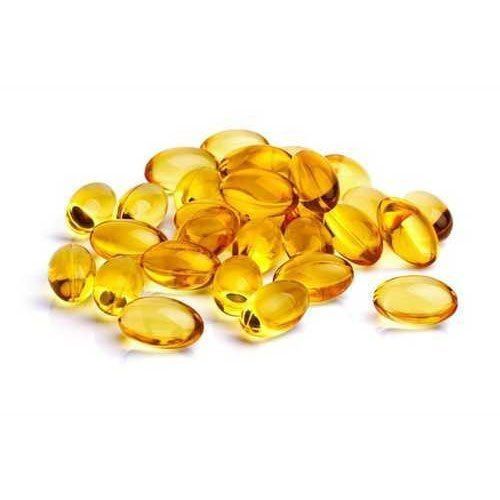
Still, nutrition matters. A fish oil softgel can be a convenient way to add EPA and DHA when a person rarely eats oily fish, but it should sit inside a bigger eye support routine, not replace one.
Think of it like maintaining a car.
You would not expect one small bottle of oil to fix bad tyres, old brakes, poor fuel, and no service checks. Your eyes deserve the same common sense.
What Fish Oil May Support, and What It Cannot Promise
Fish oil for eye health is best understood as nutritional support, not a dramatic vision promise. The European Food Safety Authority has accepted a cause and effect relationship between DHA intake and maintenance of normal vision, which is a careful way of saying DHA is a relevant nutrient for normal visual function.
That wording matters.
“Maintenance of normal vision” is not the same as saying fish oil will make blurry vision disappear. Blurry vision can come from several causes, and some of them need prompt professional attention.
Research is also mixed when fish oil is studied for specific eye concerns. In the large AREDS2 trial, adding DHA plus EPA to the original eye nutrient formula did not further reduce the chance of progression to advanced age related macular degeneration in the main analysis.
And for dry eye, the evidence is not as simple as many people believe. The NIH Office of Dietary Supplements notes that a large randomized clinical trial found EPA and DHA from fish oil were no better than placebo for signs or symptoms of dry eye disease.
So where does that leave you?
It leaves you with a balanced message: fish oil can help fill an omega 3 nutrition gap, but it should not be sold as an eyesight rescue plan. The real value comes from building a daily routine that supports the whole body, including the eyes.
| Common belief | More balanced truth |
|---|---|
| Fish oil makes vision clear again | Fish oil supplies EPA and DHA, but vision changes need proper eye care |
| More capsules mean better results | Higher intake is not automatically better and may raise safety concerns |
| Supplements can replace fish | Food first is usually the smarter habit when possible |
| Eye nutrition is only about omega 3 | Lutein, zeaxanthin, vitamin C, vitamin E, zinc, hydration, and healthy blood flow also matter |
| Blurry vision is just aging | Some changes are common, but sudden or worsening changes should be checked |
The Daily Fish Oil Softgel Habit That Makes the Most Sense
Here is the practical part.
For many older adults in Europe and North America, the safest habit is not “take the strongest fish oil you can find.” It is “use the smallest sensible routine that fits your diet, your medicines, and your doctor’s advice.”
A simple daily pattern may look like this:
• Take fish oil with a meal that contains some fat, such as eggs, avocado, olive oil, yogurt, or fish
• Avoid taking it on an empty stomach if it causes burping or nausea
• Store the bottle away from heat and strong light
• Check the label for EPA and DHA amounts, not just “fish oil 1000 mg”
• Keep a note of when you started, especially if you take regular medicines
• Stop guessing and ask your pharmacist or clinician if you use blood thinning medicine or frequent anti inflammatory pain relievers
But that is not all.
The best eye support routine usually begins before the softgel. If you eat salmon, sardines, trout, herring, or mackerel once or twice a week, you may already be getting meaningful omega 3s from food. NIH lists oily fish such as salmon, herring, sardines, mackerel, and trout as food sources of EPA and DHA.
If you dislike fish, have allergies, or follow a vegetarian diet, ask about algae based DHA or EPA options. They are not “less serious” just because they do not come from fish. For some people, they are the cleaner, easier choice.
Here is the important warning.
Do not build a routine around a social media claim. Build it around your actual life: what you eat, what medicines you take, what your eye doctor has told you, and what you can repeat without stress.
How to Choose a Fish Oil Softgel Without Falling for Label Tricks
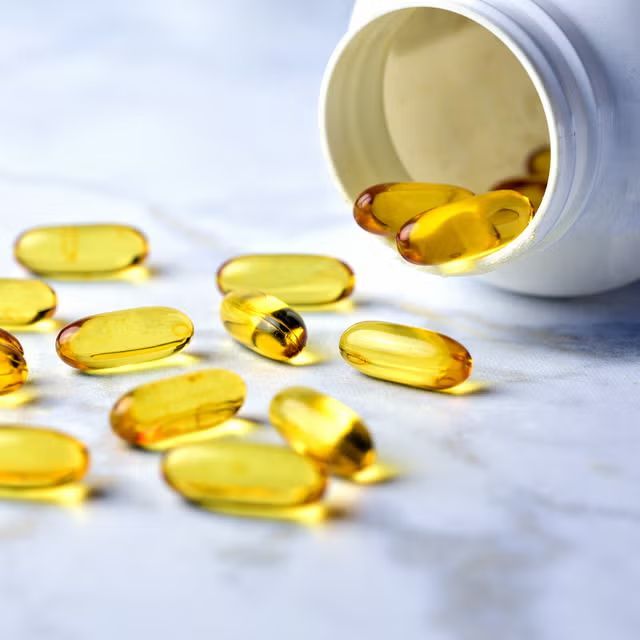
Supplement labels can be sneaky.
A bottle may say “1000 mg fish oil” in large letters, but the important numbers are EPA and DHA. One softgel may contain 300 mg combined EPA and DHA, while another may contain much more. The front of the bottle is marketing. The supplement facts panel is where the useful information lives.
Look for these details before buying:
• EPA amount
• DHA amount
• Serving size
• Third party testing statement, when available
• Expiry date
• Added ingredients
• Whether it is fish oil, cod liver oil, krill oil, or algae oil
• Whether it contains extra vitamins A or D
This is where many older adults make a mistake.
Cod liver oil is not the same as regular fish oil. The National Center for Complementary and Integrative Health notes that fish liver oils contain vitamins A and D as well as omega 3s, and these vitamins can be harmful in large amounts.
That does not mean cod liver oil is always bad. It means you should not casually stack it with a multivitamin, vitamin D tablets, fortified foods, and other supplements without checking the total.
Here is a simple buying guide.
| Label detail | Why it matters | Smart choice |
|---|---|---|
| EPA plus DHA | Shows the meaningful omega 3 amount | Compare this number, not only total fish oil |
| Serving size | Some labels require 2 or 3 softgels | Make sure the routine is realistic |
| Cod liver oil | May include vitamins A and D | Use extra caution with other vitamins |
| Strong fishy smell | May suggest poor freshness | Choose a fresher product |
| Very high dose | Not always better | Ask a professional before using high amounts |
| Third party testing | Adds confidence in quality | Useful when available |
The goal is not to buy the loudest bottle.
The goal is to choose something plain, clear, and appropriate for your situation.
When Fish Oil May Be a Bad Fit
image_group: senior couple discussing supplements with pharmacist at a pharmacy counter
query: older adult pharmacist fish oil supplement safety medicine interaction
num_per_query: 1
This is the section people skip, and it is often the section they need most.
Fish oil is usually well tolerated, but “natural” does not mean risk free. NCCIH warns that omega 3 supplements may interact with medicines that affect blood clotting, including anticoagulants and nonsteroidal anti inflammatory drugs, and people using these medicines should speak with a health care provider before using omega 3 supplements.
The NIH also lists common side effects such as unpleasant taste, bad breath, heartburn, nausea, gastrointestinal discomfort, diarrhea, headache, and fishy smelling sweat.
That is not meant to frighten you.
It is meant to stop the careless habit of adding capsules on top of capsules without thinking. Older adults are often already managing blood pressure tablets, cholesterol medicine, diabetes medicine, aspirin, pain relievers, sleep aids, or stomach medicine. A supplement still belongs on the medication list you show your clinician.
Be especially cautious if you:
• Take blood thinning medicine
• Bruise or bleed easily
• Have an upcoming surgery or dental procedure
• Use frequent ibuprofen, naproxen, aspirin, or similar medicines
• Have a fish or shellfish allergy
• Have a history of irregular heartbeat and are considering high dose omega 3
• Already take multiple supplements
• Use cod liver oil plus vitamin A or vitamin D
Here is the strict family doctor advice: stop treating your kitchen counter like a pharmacy shelf. If you would not mix prescription medicines without asking, do not mix a pile of supplements without asking either.
The Food First Eye Plate for Adults Over 60
Food first is not old fashioned advice. It is still the foundation.
The American Academy of Ophthalmology has highlighted diet and nutrition as part of eye health, including patterns such as Mediterranean style eating that include fish, vegetables, fruits, legumes, whole grains, and healthy fats.
A fish oil softgel may fill a gap, but your eyes also need a pattern of meals that supports blood vessels, stable energy, and healthy aging. That means fewer ultra processed snacks and more simple foods your grandparents would recognize.
Try building an “eye plate” most days:
• One protein source: fish, eggs, beans, lentils, poultry, tofu, or yogurt
• One green or orange vegetable: spinach, kale, broccoli, peppers, carrots, squash, or sweet potato
• One healthy fat: olive oil, avocado, nuts, seeds, or oily fish
• One slow carbohydrate: oats, beans, whole grain bread, brown rice, potatoes, or barley
• One hydration habit: water, herbal tea, or broth based soup
Here is the interesting part.
The softgel is easy. The meal pattern is the real work. Many people want a capsule because it feels quick and controlled. But eyes are not separate from the rest of the body. High sugar habits, smoking, poor sleep, unmanaged blood pressure, and skipping checkups all work against eye health.
If you are serious about supporting aging eyes, start with your plate and use the softgel only as a helper.
A Practical 7 Day Fish Oil and Eye Support Routine
You do not need a dramatic lifestyle makeover. You need a routine that is boring enough to repeat.
Here is a 7 day plan that feels realistic for many adults over 60.
Day 1: Check Your Baseline
Write down what you are currently taking: prescriptions, over the counter medicines, vitamins, minerals, herbal products, and fish oil if you already use it.
Then write down your eye concerns in plain language:
• Harder to read small print
• More glare at night
• Dry or gritty feeling
• More screen strain
• Trouble reading labels
• Needing brighter light
• Sudden change in one eye
If a change is sudden, painful, or one sided, do not wait on nutrition habits. Seek prompt professional care.
Day 2: Read the Label
Look at your fish oil bottle. Find the EPA and DHA amounts. If the label only talks loudly about “premium fish oil” but hides the useful numbers, consider choosing a clearer product next time.
Day 3: Take It With a Meal
Try taking your softgel with lunch or dinner, not with black coffee on an empty stomach. This may reduce fishy burps or stomach discomfort for some people.
Day 4: Add One Oily Fish Meal
Choose salmon, sardines, trout, herring, or mackerel if you eat fish. If you do not eat fish, choose walnuts, chia, flax, or ask about algae based omega 3.
Day 5: Add a Green Vegetable
Add spinach to eggs, kale to soup, broccoli to dinner, or mixed greens to a sandwich. Fish oil is not the only nutrient story for aging eyes.
Day 6: Protect Your Eyes From Daily Strain
Use brighter reading light, increase phone font size, blink during screen use, and keep glasses clean. It sounds too simple, but many people blame “bad eyes” when they are reading in poor light through smudged lenses.
Day 7: Decide What to Ask at Your Next Eye Visit
Bring your supplement list. Ask whether fish oil makes sense for you, whether your dose is appropriate, and whether any eye specific nutrient formula is relevant to your eye history.
This is how a safe habit becomes personal.
Not by copying a stranger online, but by matching the routine to your actual health picture.
Bad Habits That Quietly Work Against Aging Eyes

Now comes the uncomfortable part.
Many people want fish oil to do the work that their daily habits are undoing. That is not fair to the supplement, and it is not fair to your eyes.
The habits that often work against aging eyes include:
• Smoking or staying around heavy smoke
• Skipping eye exams for years
• Ignoring blood pressure or blood sugar concerns
• Eating mostly processed foods
• Sleeping poorly
• Not drinking enough fluids
• Reading in dim light every night
• Wearing old glasses that no longer match your needs
• Using random supplements without checking interactions
Sự thật là this is where the biggest gains often hide.
Not in a secret capsule.
Not in a dramatic online claim.
But in a steady pattern that reduces daily stress on the body.
If you smoke, ask for help quitting. If you have diabetes or blood pressure concerns, keep regular appointments. If your glasses are old, get them checked. If you have not had an eye exam in years, schedule one.
A fish oil softgel can sit on the table. It cannot replace common sense.
How to Talk to Your Doctor or Pharmacist About Fish Oil

You do not need to sound like a scientist. You just need to be specific.
Bring the bottle or take a clear photo of the front label and supplement facts panel. Then ask simple questions.
Try these:
• “Is this fish oil softgel safe with my medicines?”
• “Do I need this if I eat fish every week?”
• “Is the EPA and DHA amount reasonable for me?”
• “Should I avoid cod liver oil because of vitamins A and D?”
• “Could this affect bruising, bleeding, or surgery planning?”
• “Are my vision changes something that needs an eye exam soon?”
Here is the part many older adults miss.
Your pharmacist is often one of the best people to ask about supplement interactions. You do not have to wait months for a routine appointment to ask whether a supplement fits with your medicine list.
And if you have a sudden change in vision, new flashes, a curtain like shadow, eye pain, or sudden loss of vision, do not try to solve that with nutrition. Get urgent eye care.
Conclusion: The Smart Fish Oil Habit Is Calm, Not Dramatic
Fish oil can be a useful part of an eye friendly nutrition routine because it provides EPA and DHA, and DHA is an important structural fat in the retina. But the honest message is this: a fish oil softgel should support your routine, not become your entire plan.
The best approach is food first, supplement second, safety always.
Choose a clear label. Take it with a meal. Avoid high dose guesswork. Watch for side effects. Ask about interactions. Keep regular eye exams. Eat oily fish or other omega 3 sources when appropriate. Add leafy greens, colorful vegetables, hydration, good lighting, clean glasses, and steady medical follow up.
The “secret” promised at the start is simple but powerful: fish oil is not most useful when treated like a miracle. It is most useful when it becomes one small, sensible habit inside a bigger plan that protects your independence, your reading comfort, and your confidence in daily life.
FAQ: Fish Oil for Aging Eyes
Can fish oil make blurry vision clear again?
Fish oil should not be expected to make blurry vision clear again. It provides omega 3 fats, including DHA and EPA, but blurry vision can have many causes. If your vision changes suddenly, worsens, or affects one eye more than the other, arrange professional eye care promptly.
Is it better to eat fish or take a fish oil softgel?
For many people, eating oily fish as part of a balanced diet is the better first step because food provides a wider mix of nutrients. A fish oil softgel may be helpful when fish intake is low, but it should be chosen carefully and checked against your medicines and health history.
What time of day should older adults take fish oil?
Many people prefer taking fish oil with lunch or dinner because taking it with food may feel easier on the stomach. The best time is the time you can repeat consistently, as long as it fits safely with your personal medication schedule.
Should people on blood thinning medicine take fish oil?
People taking blood thinning medicine, aspirin, or frequent anti inflammatory pain relievers should speak with a healthcare professional before using omega 3 supplements. Omega 3 supplements may interact with medicines that affect clotting, so it is better to ask before starting.
Is cod liver oil the same as fish oil?
No. Cod liver oil contains omega 3s, but it also contains vitamins A and D. Those vitamins can be harmful in excessive amounts, especially if you already take other supplements containing them.
What else supports eye health after 60?
A practical plan includes regular eye exams, good lighting, updated glasses, not smoking, balanced meals, oily fish or other omega 3 sources when appropriate, leafy greens, colorful vegetables, hydration, and careful management of blood pressure and blood sugar concerns.
Medical disclaimer: This article is for educational purposes only and does not replace personalized advice from an eye care professional, doctor, pharmacist, or registered dietitian.