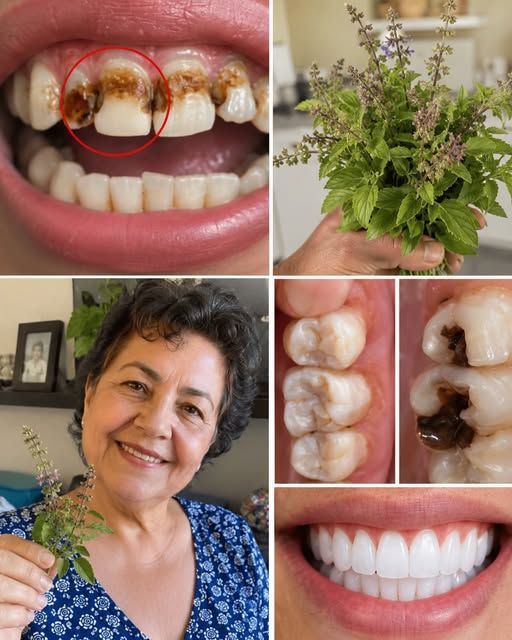
Many people feel self-conscious about the appearance of their teeth, especially when daily habits like enjoying coffee, tea, or certain foods leave behind noticeable stains over time. This can affect how confident you feel in social situations or when smiling in photos. The good news is that exploring gentle, accessible approaches using common kitchen staples may help support a brighter look as part of your regular oral care routine. In this guide, we’ll walk through practical ideas that many find helpful while keeping safety front and center. Keep reading to uncover one unexpected combination that has gained attention for its simplicity.
Why Teeth Appearance Matters and How Daily Habits Play a Role
Your smile is often one of the first things others notice, and maintaining its natural brightness can boost your overall sense of well-being. Over the years, surface stains from beverages, foods, and lifestyle choices tend to build up on the outer layer of your teeth. While professional options exist, many individuals look for straightforward methods they can try conveniently at home.
Research suggests that certain mild abrasives found in everyday items can assist in gently lifting surface discoloration when used thoughtfully. However, it’s essential to approach these with care to avoid unintended effects on tooth structure.
Understanding Common Ingredients People Explore for Oral Care
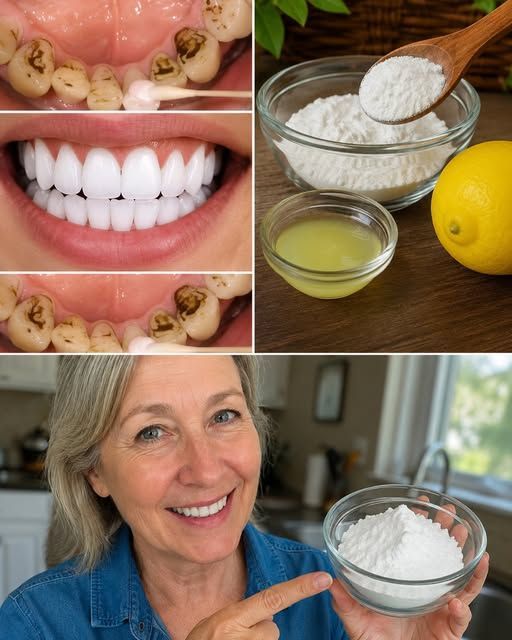
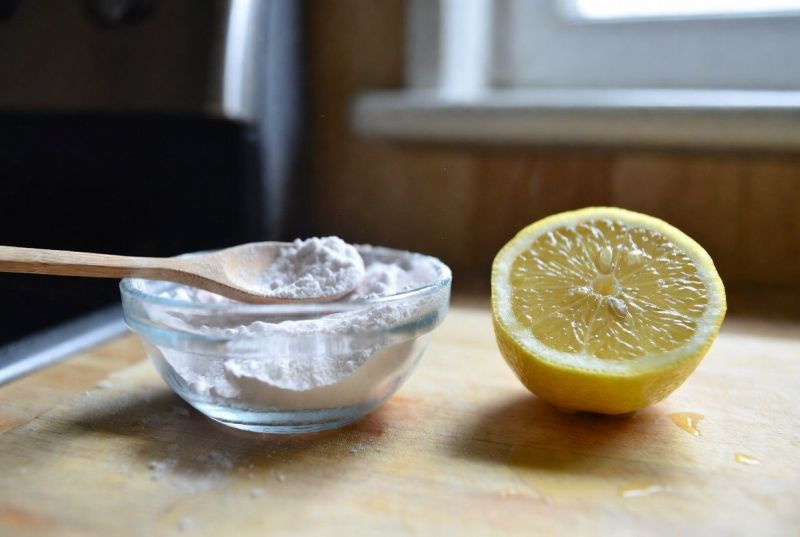
Two ingredients that frequently appear in discussions about supporting brighter teeth are baking soda and fresh lemon. Baking soda, also known as sodium bicarbonate, has a long history in oral hygiene products due to its mild abrasive properties. Lemon, on the other hand, brings natural acidity that some believe may help break down certain stains.
But here’s the important part: these are not miracle solutions, and their combination requires careful consideration. Studies indicate that while baking soda alone can be effective for stain removal in controlled settings, pairing it with highly acidic substances like lemon juice may pose risks to the protective enamel layer.
Key Points to Remember About These Ingredients:
- Baking soda acts as a gentle scrubber that may help polish away surface stains.
- Lemon provides citric acid, which some use for its potential stain-lifting qualities.
- Together, they create a reaction, but the acidity level needs close attention to protect long-term tooth health.
Exploring a Popular Home Mixture: What It Involves
One approach people often discuss involves creating a simple paste. This method has circulated widely on social media and wellness blogs, but experts emphasize moderation and proper technique.
Here’s a basic overview of how some prepare it (always consult a dental professional before trying new routines):
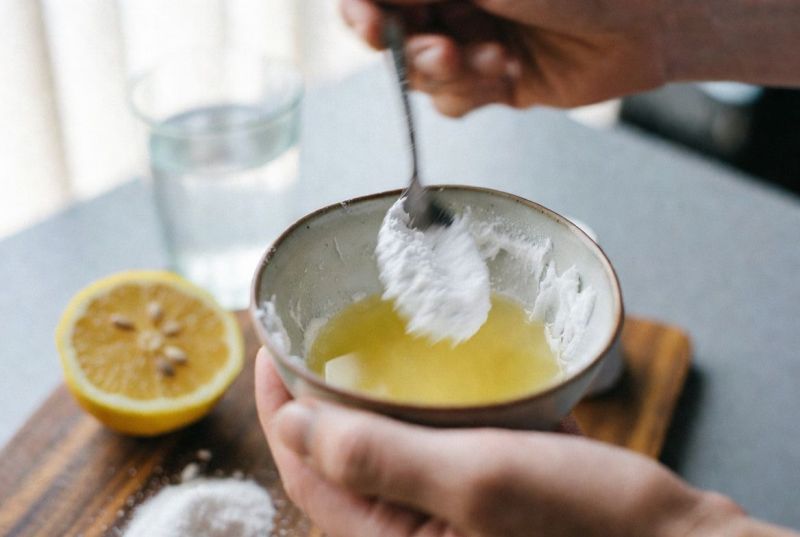
- Gather a small amount of baking soda in a clean bowl.
- Add just a few drops of fresh lemon juice to form a thin paste.
- Mix gently until it reaches a consistent texture.
The idea is that the mild abrasiveness of the baking soda combined with the lemon’s properties might offer a quick freshening effect. However, many dental sources recommend limiting use and rinsing thoroughly afterward.
But that’s not the full picture. Let’s look closer at safer alternatives and best practices.
Safer Alternatives Using Baking Soda Alone
For those preferring to minimize risks, focusing on baking soda with water is a commonly suggested starting point. This avoids strong acidity while still providing gentle cleaning action.
Step-by-Step Guide to a Gentle Baking Soda Routine:
- Wet your toothbrush with a small amount of water.
- Dip the bristles lightly into pure baking soda or sprinkle a pinch onto the brush.
- Brush gently in circular motions for about one to two minutes.
- Rinse your mouth well with water.
- Follow up with your regular fluoride toothpaste.
Many over-the-counter toothpastes already include baking soda for this reason, as research supports its role in helping remove plaque and surface stains without excessive abrasion when used appropriately.
Other Everyday Habits That Support a Brighter Smile
Beyond single-ingredient pastes, several lifestyle adjustments can make a noticeable difference over time. These complement any home routine and promote overall oral health.
- Oil Pulling: Swishing coconut oil or sesame oil in your mouth for 10-15 minutes daily may help reduce bacteria and support fresher breath.
- Strawberry Mash: Some mash ripe strawberries and apply the pulp briefly before rinsing, thanks to natural enzymes.
- Crunchy Fruits and Vegetables: Eating apples, carrots, or celery can act as natural cleaners by scrubbing teeth while you chew.
- Consistent Brushing and Flossing: Twice-daily brushing with a soft-bristled brush and daily flossing removes debris before it settles.
These habits are low-risk and align well with recommendations from oral health experts.
Comparing Different Approaches: A Quick Overview
| Approach | Potential Benefits | Considerations | Frequency Suggestion |
|---|---|---|---|
| Baking Soda + Water | Gentle stain removal, neutral pH | Mild abrasion, monitor sensitivity | 2-3 times per week |
| Baking Soda + Lemon | Quick action on surface stains | Higher acidity risk to enamel | Very limited, if at all |
| Commercial Whitening Toothpaste | Convenient, tested formulas | May contain peroxides | Daily as directed |
| Professional Treatments | Stronger, longer-lasting results | Higher cost, in-office visits | As recommended by dentist |
This table highlights why many start with the simplest, safest options first.
Important Safety Tips to Protect Your Teeth
Your tooth enamel is a precious, non-regenerating layer that shields against sensitivity and decay. Any home method should prioritize protecting it.
Essential Precautions:
- Always do a patch test on a small area and stop if you notice irritation.
- Never use these mixtures daily—overuse can lead to increased wear.
- Rinse thoroughly and wait before consuming acidic foods or drinks.
- Choose a soft toothbrush to avoid additional mechanical stress.
- Stay hydrated and maintain a balanced diet rich in calcium and vitamins for natural tooth support.
If you experience any discomfort, sensitivity, or changes, reach out to your dentist promptly. Professional guidance ensures methods suit your unique dental history.
How Often Should You Try These Methods?
Moderation is key. For baking soda-based routines, two to three times a week is often plenty for many people. Observe how your teeth and gums respond, and adjust accordingly. Remember, visible changes, if any, happen gradually rather than overnight.
This is where consistency in your full oral care regimen really shines—pairing these explorations with regular dental check-ups gives the best foundation for a healthy, confident smile.
Real Experiences and What Science Suggests
Many share positive stories about feeling fresher after incorporating baking soda into their routines. Scientific reviews note that baking soda dentifrices can contribute to stain reduction effectively and safely in appropriate formulations.
That said, individual results vary based on stain type, diet, and genetics. Extrinsic stains (on the surface) respond better than deeper intrinsic ones.
Building a Complete Daily Oral Care Routine
To maximize any efforts toward brighter teeth:
- Brush twice daily for two full minutes.
- Floss or use interdental cleaners once a day.
- Use an antimicrobial mouthwash if desired.
- Limit staining beverages—use a straw when possible.
- Schedule professional cleanings every six months.
These foundational steps often deliver more sustainable improvements than any single remedy.
Common Myths About Home Brightening Methods
It’s easy to get caught up in trending ideas, but not all deliver on promises. For instance, while lemon offers vitamin C benefits when eaten, its direct application in oral care needs caution due to acidity. Balancing information helps you make informed choices without unnecessary risks.
Conclusion: Taking Gentle Steps Toward a Brighter Smile
Exploring home options like baking soda can be an empowering part of your self-care journey when done thoughtfully. Focus on gentle techniques, listen to your body, and prioritize professional advice for lasting oral health. Small, consistent habits often lead to the most rewarding outcomes.
By combining knowledge with practical action, you can feel more confident in your daily smile. What small change will you try first?
FAQ
1. Is it safe to mix baking soda and lemon for teeth?
Many sources advise caution because of the acidity involved. It’s generally recommended to use baking soda with water instead and consult a dentist for personalized guidance.
2. How long does it take to see results from home methods?
Results, if noticeable, typically appear gradually over weeks with consistent, gentle use. Patience and realistic expectations are important.
3. Can these home approaches replace professional whitening?
Home methods may support surface maintenance but are not substitutes for professional care. Dentists can offer tailored solutions for deeper concerns.
Disclaimer: This article is for informational purposes only and does not constitute medical or dental advice. Always consult with a qualified dental professional before trying new oral care practices, especially if you have existing dental conditions, sensitivities, or concerns. Individual results may vary, and protecting your enamel should always be the top priority.