Many people struggle with maintaining steady energy levels, supporting heart health, and keeping digestion smooth as they get older. The constant search for convenient, natural options that fit into a busy lifestyle can feel overwhelming, especially when everyday choices seem to impact how you feel day to day. But what if a small, unassuming seed found in most grocery stores could be a helpful addition to your daily habits?

In this article, we’ll explore flaxseeds—what they are, their nutritional profile, and practical ways to incorporate them. You’ll discover simple tips that might support your wellness journey, and by the end, you’ll find an easy recipe that brings everything together in a delicious way.
What Are Flaxseeds and Why Are They Gaining Attention?
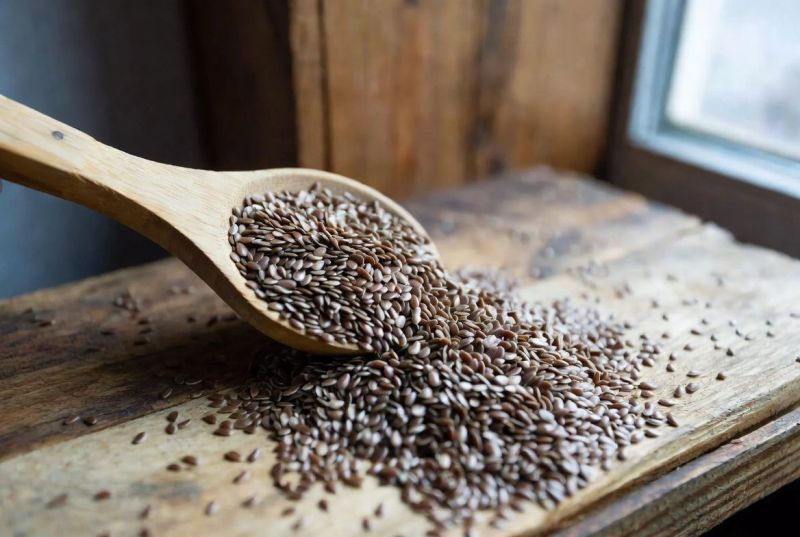
Flaxseeds, also known as linseeds, come from the flax plant. These small brown or golden seeds have been used for centuries in various cultures. They are packed with nutrients like omega-3 fatty acids, fiber, and plant compounds called lignans.
What makes them unique is their ability to form a gel-like texture when soaked in water. This property comes from the soluble fiber they contain, which many people find helpful for daily routines. Research has looked into how these seeds fit into balanced diets, and studies suggest they may offer supportive benefits when used consistently as part of healthy eating habits.
Nutritional Breakdown: What Makes Flaxseeds Stand Out
One tablespoon of ground flaxseeds provides a good amount of several key nutrients:
- Omega-3 fatty acids (ALA): Plant-based source that the body can use.
- Fiber: Both soluble and insoluble types that support digestion.
- Protein: A small but meaningful contribution to daily intake.
- Lignans: Antioxidant-like compounds found in plants.
- Vitamins and minerals: Including magnesium, thiamine, and phosphorus.
This combination makes flaxseeds a nutrient-dense option that many health enthusiasts add to smoothies, yogurt, or baked goods.
But that’s not all. The way these components work together is what interests nutrition researchers.
How Flaxseeds May Support Heart Health and Blood Pressure
Numerous studies have explored the relationship between flaxseed consumption and cardiovascular markers. Some research indicates that regular intake of ground flaxseeds may help support healthy blood pressure levels already within the normal range.
The omega-3 content and fiber appear to play roles in this. Soluble fiber can bind to certain substances in the digestive system, while the plant-based omega-3s are associated with overall heart-friendly eating patterns.
Here’s a quick comparison of flaxseeds versus other common seeds:
- Flaxseeds: High in ALA omega-3s and gel-forming fiber.
- Chia seeds: Also gel-forming but with slightly different nutrient ratios.
- Pumpkin seeds: More focused on magnesium and zinc.
Adding a couple of tablespoons daily is a simple swap that many people enjoy.
Flaxseeds and Blood Sugar Management: What the Evidence Shows
For those monitoring energy and glucose responses, flaxseeds have drawn interest. The fiber content slows digestion, which may contribute to more stable feelings of fullness and steadier energy throughout the day. Some clinical observations note potential benefits for individuals managing blood sugar as part of a broader lifestyle approach.
Here’s the interesting part: Because flaxseeds form that thick gel when mixed with liquid, they can be used creatively in recipes to replace some fats or thickeners while adding nutrition.
Digestive Wellness and Everyday Comfort
One of the most noticeable effects many people report is improved regularity. The combination of soluble and insoluble fiber adds bulk and promotes gentle movement in the digestive tract. When soaked, the mucilage (the gel) can feel soothing for some.
Practical tip: Start with small amounts if you’re new to high-fiber foods to allow your body to adjust.
Practical Ways to Use Flaxseeds in Your Daily Life
Ready to try them? Here are actionable steps you can take right away:
- Grind them fresh — Whole seeds may pass through undigested, so use a coffee grinder or buy pre-ground (store in the fridge).
- Start small — Begin with 1 teaspoon daily and gradually increase to 1-2 tablespoons.
- Mix into breakfast — Stir into oatmeal, yogurt, or smoothie bowls.
- Bake with them — Add to muffins, bread, or energy balls for extra nutrition.
- Make a simple gel — Soak 1 tablespoon in a glass of water overnight for a thick mixture.
Pro tip: Always drink plenty of water when increasing fiber intake to support comfort.
Another popular method is sprinkling ground flax over salads or roasted vegetables. The nutty flavor pairs well with many dishes without overpowering them.
Potential Benefits for Overall Wellness
Beyond the main areas, some studies have examined flaxseeds’ role in supporting healthy cholesterol levels already in the normal range and providing antioxidant support through lignans. These tiny seeds fit nicely into anti-inflammatory eating patterns that many experts recommend.
Women going through hormonal transitions sometimes appreciate the lignan content, as these compounds can have mild estrogen-balancing effects in the body.
Simple Flaxseed Recipe Ideas You Can Try Today
Overnight Flax Pudding
Mix 2 tablespoons ground flaxseeds with 1 cup plant milk or regular milk, a dash of vanilla, and your favorite sweetener. Refrigerate overnight. Top with berries and nuts in the morning. This creates a satisfying, gel-like texture naturally.
Flax Egg Replacement (for baking)
Combine 1 tablespoon ground flax with 3 tablespoons water. Let sit 5-10 minutes until gelled. Use in place of eggs in vegan recipes.
Green Smoothie Booster
Add 1 tablespoon ground flax to spinach, banana, and protein powder blends. The gel helps create a creamier consistency.
These recipes are flexible and family-friendly, making it easy to build a habit without major changes to your routine.
Common Questions About Flaxseeds (FAQ)
How much flaxseed should I eat per day?
Most studies use 1-2 tablespoons (about 10-30 grams) of ground flaxseeds. Start lower if you’re sensitive to fiber.
Should I use whole or ground flaxseeds?
Ground is generally better for nutrient absorption. Store ground flax in the refrigerator or freezer to keep it fresh.
Are there any precautions?
Flaxseeds are safe for most people when consumed as food. Those with certain digestive conditions or who take medications should consult their healthcare provider before making significant dietary changes. Drink adequate water.
Final Thoughts: Small Changes, Meaningful Habits
Flaxseeds offer an accessible way to add more nutrition to your meals. Their versatility, combined with promising research on various wellness markers, makes them worth considering as part of a balanced approach to health.
Remember, no single food is a miracle solution. The best results come from consistent habits alongside a varied diet, regular movement, and good sleep.
Disclaimer: This article is for informational purposes only and is not intended as medical advice. Always consult with a qualified healthcare professional before making changes to your diet, especially if you have existing health conditions or are taking medications.