Many people today feel overwhelmed by constant fatigue, sluggish digestion, and the desire for simple ways to support their overall well-being in a busy world. These everyday challenges can leave you searching for natural options that fit easily into your routine without complicated regimens. That’s where burdock root comes in as a time-honored plant valued in traditional practices for its earthy flavor and nutrient profile. In this article, we’ll explore what makes this root interesting, how it’s traditionally prepared, and practical tips you can try at home. Keep reading to uncover a simple recipe that might become part of your daily wellness habits.

What Is Burdock Root and Why Is It Gaining Attention?
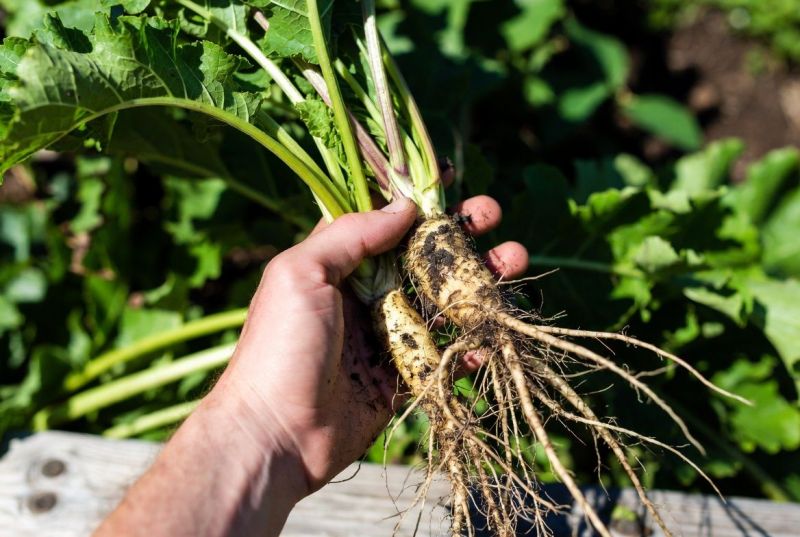
Burdock root comes from the Arctium lappa plant, a biennial herb native to Europe and Asia but now found in many regions. The long, slender roots have a crisp texture when fresh and develop a sweet, earthy taste similar to artichoke or celery when cooked or brewed. Historically used in traditional Chinese and European herbal practices, it is often dried and steeped into teas or added to soups and stir-fries.
Modern interest stems from its nutritional content. Burdock root provides dietary fiber, including inulin—a prebiotic that supports gut health—along with antioxidants like quercetin and luteolin. These compounds help combat oxidative stress in the body, which is linked to everyday aging processes.
Research in laboratory and animal models has explored its properties, but human studies remain limited. Scientists continue to investigate how its natural compounds may contribute to general wellness.
Key Nutritional Highlights of Burdock Root
Burdock root stands out for several reasons:
- Rich in Prebiotic Fiber: Inulin feeds beneficial gut bacteria, potentially aiding digestion and comfort.
- Antioxidant Support: Polyphenols and flavonoids may help protect cells from daily environmental stressors.
- Traditional Blood Purification Role: In herbal traditions, it is valued for supporting the body’s natural detox pathways through the liver and kidneys.
- Mild Diuretic Effect: Some use it to promote gentle fluid balance.
These attributes make it a popular choice for those exploring herbal teas as part of a balanced lifestyle.
Potential Wellness Benefits Backed by Preliminary Research
While burdock root is not a miracle solution, early findings are intriguing. Studies suggest it may help with:
Supporting Skin Health
Its anti-inflammatory and antioxidant properties have been traditionally linked to clearer skin. Some people incorporate it into routines for issues like occasional blemishes or dryness, though results vary.
Promoting Digestive Comfort
The fiber content supports regular bowel movements and a healthy microbiome. A warm cup of burdock tea after meals can feel soothing for many.
Assisting Blood Sugar Balance
Preliminary animal and lab research indicates potential effects on glucose metabolism, making it interesting for those mindful of metabolic health. More human trials are needed.
Reducing Everyday Inflammation
One small human study on knee discomfort showed improvements in markers of oxidative stress after consuming burdock root tea regularly. This aligns with its traditional use for joint comfort.
But that’s not all. Its versatility in the kitchen and as a tea makes it accessible for daily use.
How to Prepare Burdock Root Tea at Home: Simple Step-by-Step Guide
Making your own burdock root tea is straightforward and requires minimal ingredients. Here’s a basic recipe:
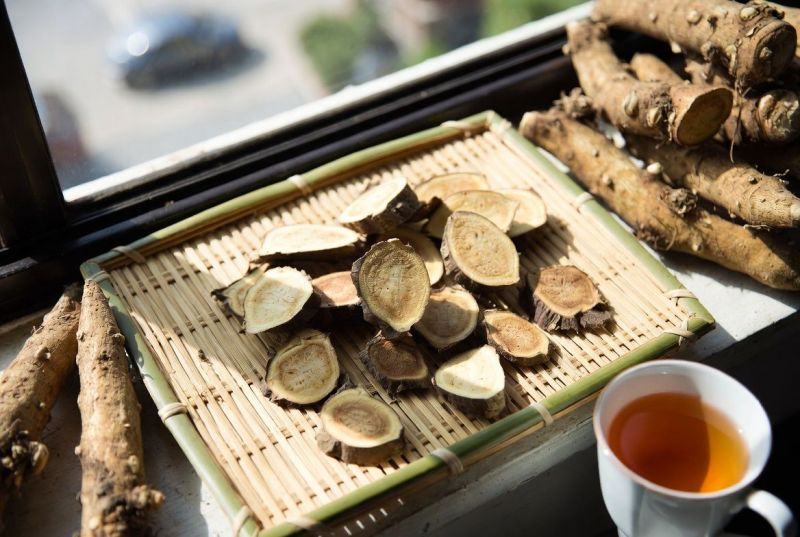
- Source Quality Roots: Look for organic dried burdock root slices from reputable herbal suppliers. Fresh roots can be scrubbed, sliced thinly, and dried at home if preferred.
- Measure and Simmer: Use 1-2 teaspoons of dried root per cup of water. Bring to a gentle boil, then reduce heat and simmer for 10-20 minutes to extract the compounds.
- Strain and Enjoy: Remove from heat, strain, and sip warm. Add a slice of lemon, a touch of honey, or fresh ginger for flavor if desired.
- Storage Tip: Brew a larger batch and refrigerate for up to 2 days. Reheat gently before drinking.
Start with one cup daily and observe how your body responds. Consistency over weeks often yields the best personal insights.
Creative Ways to Incorporate Burdock Root Into Your Routine
- Daily Tea Ritual: Replace one caffeinated drink with burdock tea in the afternoon for a gentle energy shift.
- In Soups and Stews: Add chopped fresh or dried root during cooking for subtle flavor and extra fiber.
- Herbal Blends: Combine with dandelion, ginger, or turmeric for a customized wellness infusion.
- Topical Use: Some prepare a cooled tea as a gentle rinse for skin or hair, though patch testing is recommended.
Here’s a quick comparison of preparation methods:
| Method | Time Required | Best For | Flavor Profile |
|---|---|---|---|
| Simmered Tea | 15-20 min | Maximum extraction | Earthy, mild sweet |
| Cold Infusion | Overnight | Gentle daily use | Lighter, refreshing |
| Added to Meals | During cooking | Culinary versatility | Subtle vegetable |
Important Safety Considerations and Who Should Be Cautious
Burdock root is generally considered safe for most people when used in moderate amounts as food or tea. However:
- Consult a healthcare provider before use if you are pregnant, breastfeeding, have allergies to plants in the Asteraceae family (like ragweed), or take medications for blood sugar or blood pressure.
- Potential side effects are rare but can include mild digestive upset.
- Always source from trusted suppliers to avoid contamination.
This plant has a long history of traditional use, but individual responses differ. Listening to your body remains key.
Conclusion: A Simple Addition to Your Wellness Journey
Burdock root offers an accessible way to explore herbal traditions with its nutrient density and pleasant taste. Whether enjoyed as a daily tea or added to meals, it encourages mindful self-care and connection to nature’s offerings. Small, consistent habits like this can contribute meaningfully to how you feel each day.
FAQ
1. How often can I drink burdock root tea?
Most people enjoy 1-3 cups per day. Start slowly and adjust based on your comfort.
2. Does burdock root taste good?
It has a mild, sweet, earthy flavor that many find pleasant, especially when blended with lemon or honey.
3. Where can I buy burdock root?
Check health food stores, online herbal retailers, or Asian markets. Choose organic when possible for best quality.
Disclaimer: The information in this article is for educational and informational purposes only. It is not intended to diagnose, treat, cure, or prevent any disease. Always consult with a qualified healthcare professional before making changes to your diet or supplement routine, especially if you have existing health conditions or are taking medications.