Meta description: A practical, safety first guide for older adults on using turmeric powder as part of a familiar daily routine to support healthy blood flow, movement, and heart smart habits without risky promises.
It can feel embarrassing when your hands feel cold at the dinner table, your legs feel heavy after a short walk, or you quietly rub your wrist because it feels stiff and uncomfortable. Many adults over 60 blame age, weather, or “poor circulation” and then reach for a familiar kitchen remedy like turmeric powder without knowing what it can and cannot do. The uncomfortable truth is that turmeric may fit into a heart smart routine, but it is not a shortcut, and using it the wrong way can create problems for some people. By the end, you will see the simple “traffic light” turmeric routine that many older adults wish they had learned earlier.
Why Blood Flow Feels Different After 60
Blood flow is not just about warm hands and feet. It is part of how your heart, blood vessels, muscles, nerves, and daily movement work together.
After 60, several ordinary changes can make circulation feel less reliable. Blood vessels may become less flexible. Muscle mass often declines. People may sit longer, walk less, drink less water, or take medications that affect blood pressure and fluid balance.
But here is the important part.
A “circulation problem” is not always one problem. It can mean tired legs, cold feet, swelling, numbness, slow walking, or cramps. Some causes are mild and lifestyle related. Others need medical attention.
For example, peripheral artery disease, often called PAD, can cause leg pain while walking that improves with rest. Mayo Clinic describes PAD as a blood flow condition often linked to narrowed arteries in the limbs, and it is something older adults should not ignore.
So turmeric powder should be seen as a supporting habit, not the main answer.
A familiar spice can be comforting. A warm cup can feel soothing. But if the body is sending warning signs, the safest routine starts with paying attention.
What Turmeric Powder Actually Does in the Body
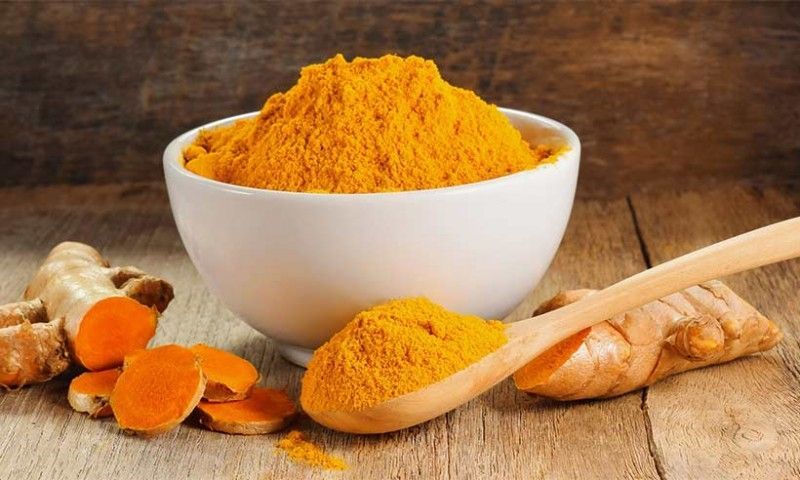
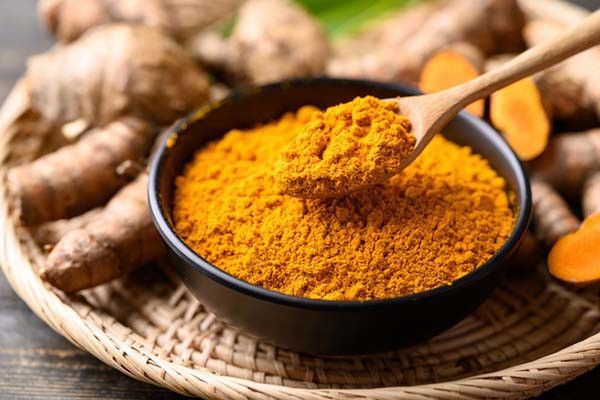
Turmeric is the bright golden spice used in many kitchens. Its best known natural compound is curcumin, which is studied for its relationship with inflammation and antioxidant activity.
That sounds promising.
But the body does not absorb curcumin very well from ordinary turmeric powder. This means a small spoon of turmeric in warm milk or soup is not the same as taking a concentrated supplement.
The National Center for Complementary and Integrative Health notes that turmeric has been studied for several conditions, but stronger evidence is still needed for many uses. It also states that conventional oral turmeric or curcumin products are likely safe for many people when used in recommended amounts for a limited time, while high doses or long term supplement use may raise concerns.
In everyday language, this means:
- Turmeric powder can be part of a healthy eating pattern.
- It should not be treated like medicine.
- More is not automatically better.
- Supplements are not the same as kitchen spice.
- People on blood thinning medication should be especially careful.
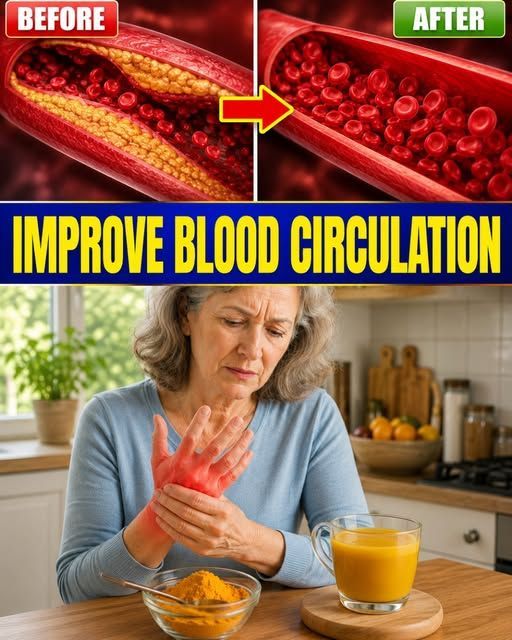
This is where many older adults make a mistake. They see a dramatic “before and after” image online and assume turmeric can clear blocked vessels. That is not a safe or accurate way to think about it.
Turmeric may support a healthier routine. It does not clean arteries like a drain cleaner. It does not replace walking, blood pressure control, cholesterol management, diabetes care, or a doctor’s advice.
The Biggest Myth: Turmeric Alone Will “Fix” Poor Circulation
The most dangerous myth is not turmeric itself. It is the belief that one ingredient can undo years of sitting, smoking, high blood sugar, high blood pressure, or ignored leg pain.
That belief keeps people from taking action.
A spoon of turmeric cannot make up for being inactive all day. It cannot cancel out a very salty diet. It cannot protect blood vessels from tobacco. It cannot make chest discomfort, one sided weakness, severe leg pain, or sudden swelling safe to ignore.
Here is the part that matters.
Healthy blood flow is built from repeated daily choices. Turmeric may be one small piece of the plate, but the foundation is still movement, hydration, balanced meals, sleep, medication safety, and regular checkups.
The American Heart Association recommends adults aim for at least 150 minutes per week of moderate intensity aerobic activity, or 75 minutes of vigorous activity, or a combination of both. It also encourages muscle strengthening activity at least two days per week.
For many older adults, that does not mean joining a gym. It can mean walking after breakfast, standing during television adverts, doing chair exercises, gardening, or taking the stairs slowly when safe.
Turmeric in the cup may feel pleasant. But the walk after the cup is often the habit that changes the day.
A Safer Turmeric Routine for Older Adults
A safe turmeric routine should feel boring, simple, and repeatable. That is a good thing.
Do not start with large amounts. Do not mix multiple supplements at once. Do not copy extreme online recipes that use tablespoons of turmeric, black pepper extract, oils, and capsules together.
Try this gentle food based approach instead.
| Routine step | Practical amount | Why it helps keep the habit safe |
|---|---|---|
| Start small | 1/4 teaspoon turmeric powder | Lets your stomach adjust |
| Use food, not megadoses | Add to soup, eggs, rice, lentils, or warm milk | Makes it part of a meal |
| Avoid daily excess | Keep portions modest | Reduces digestive discomfort risk |
| Watch your body | Notice heartburn, nausea, bruising, or diarrhea | Helps you stop early if it does not suit you |
| Check medications | Ask a pharmacist or doctor if using blood thinners | Reduces interaction concerns |
A simple option is a warm turmeric drink in the afternoon, especially during colder months in Europe and North America.
Use:
- 1 cup warm milk or unsweetened plant milk
- 1/4 teaspoon turmeric powder
- A pinch of cinnamon
- A small amount of honey if appropriate
- A meal or snack nearby if turmeric bothers your stomach
Some people add black pepper because piperine may increase curcumin absorption. But here is the caution.
More absorption can also mean a stronger effect. If you take warfarin, clopidogrel, aspirin, apixaban, rivaroxaban, or other blood thinning medicines, do not casually add concentrated turmeric or black pepper extract without professional advice.
That is not fear. That is common sense.
When Turmeric May Be a Bad Idea
Turmeric powder in food is usually modest. Turmeric supplements are a different story.
Some capsules contain concentrated curcumin. Some include black pepper extract. Some combine turmeric with ginger, garlic, ginkgo, omega 3, or other ingredients that may affect bleeding risk or medication response.
The UK Food Standards Agency has monitored reports of adverse events related to turmeric and curcumin supplements, which is a reminder that “natural” does not always mean risk free.
Be careful with turmeric supplements if you:
- Take blood thinning or antiplatelet medication
- Have a surgery or dental procedure scheduled
- Have gallbladder problems
- Have frequent heartburn or stomach ulcers
- Have liver disease or abnormal liver tests
- Take many daily medications
- Are already using several supplements
The strongest warning is this.
Do not hide supplement use from your doctor. Many older adults tell their doctor about prescription pills but forget to mention turmeric capsules, garlic pills, fish oil, or herbal teas. Those details matter.
A family doctor would rather hear about a supplement early than discover it after unusual bruising, stomach upset, dizziness, or a medication problem.
The Circulation Habits That Matter More Than Turmeric
This is the part many people skip because it sounds too simple.
Movement is circulation’s best friend.
When leg muscles contract, they help push blood back toward the heart. When you sit for long periods, especially with bent knees, blood flow can feel sluggish. This is one reason ankles may feel puffy or legs may feel heavy after a long day in a chair.
The American Heart Association has also highlighted research suggesting that, in older adults, every additional 500 daily steps was associated with a lower risk of heart disease, stroke, and heart failure. This does not prove that steps alone prevent those problems, but it supports the value of small increases in daily movement.
Here is a simple comparison.
| Habit | What it may do for blood flow | Common mistake |
|---|---|---|
| Walking daily | Supports heart, vessels, leg muscles, and stamina | Waiting until you have time for a long walk |
| Drinking water regularly | Helps normal body function and reduces dehydration | Replacing water with too much tea, coffee, or alcohol |
| Reducing excess salt | Supports healthier blood pressure habits | Assuming “sea salt” is harmless |
| Elevating legs briefly | May ease mild heaviness after sitting | Ignoring one sided swelling or pain |
| Eating fiber rich foods | Supports cholesterol and blood sugar habits | Depending on supplements instead |
| Not smoking | Protects blood vessels | Thinking fewer cigarettes means no risk |
But let us be honest.
A person who has not exercised in years should not suddenly push hard. Start gently. Walk inside the house. Stand up during phone calls. March in place while waiting for the kettle. Use a chair for support.
The goal is not to impress anyone.
The goal is to become the kind of person who moves a little more every day.
The 10 Minute Kitchen Routine With Turmeric Powder
This routine is designed for older adults who want something familiar, practical, and not extreme.
It is not a medical treatment. It is a daily rhythm.
Step 1: Make a small turmeric food or drink
Choose one:
- Warm turmeric milk with 1/4 teaspoon turmeric powder
- Lentil soup with turmeric and black pepper only if safe for you
- Scrambled eggs with turmeric and herbs
- Vegetable stew with turmeric, garlic, and olive oil
- Rice or quinoa with turmeric and peas
Keep the amount modest. You should taste the turmeric, not feel like you are forcing it down.
Step 2: Walk for 5 minutes after eating
Walk around the kitchen, hallway, garden path, or building corridor. Use support if needed. Wear stable shoes.
This short walk matters because it connects the turmeric habit to movement. The spice becomes a cue, not the whole solution.
Step 3: Do 5 gentle circulation moves
Try these slowly:
- Ankle circles, 10 each direction
- Heel raises while holding a chair, 10 times
- Hand open and close, 20 times
- Shoulder rolls, 10 times
- Slow seated marching, 30 seconds
Stop if you feel chest pain, severe shortness of breath, dizziness, or unusual pain.
Step 4: Record one small sign
Write down one thing:
- How far you walked
- Whether your legs felt heavy
- Whether your hands felt cold
- Any stomach reaction to turmeric
- Any unusual bruising or bleeding
This is the quiet secret of a good routine. Tracking makes vague worries clearer.
You are not trying to become your own doctor. You are giving your doctor better information if you need help later.
Warning Signs You Should Not Blame on Age
Some symptoms should not be explained away with “I’m just getting older.”
Call a medical professional promptly if you notice:
- Chest pressure, chest pain, or pain spreading to the arm, jaw, back, or neck
- Sudden weakness, facial drooping, confusion, or trouble speaking
- One leg becoming swollen, red, warm, or painful
- Foot or toe wounds that do not heal
- Leg pain while walking that repeatedly improves with rest
- New numbness, color change, or coldness in one foot
- Shortness of breath that is new or getting worse
Mayo Clinic notes that PAD may cause leg pain during walking, and serious cases may involve pain at rest or other complications.
Do not cover these warning signs with turmeric drinks, heating pads, or massage alone.
That is where the tough love comes in.
A kitchen habit is for support. Warning signs are for action.
What to Eat With Turmeric for a Heart Smart Plate
Turmeric works best as part of a meal that already supports heart and blood vessel health.
Think of the plate this way:
- Half the plate: vegetables such as spinach, carrots, peppers, cabbage, tomatoes, or broccoli
- One quarter: protein such as beans, lentils, eggs, fish, chicken, tofu, or yogurt
- One quarter: slow carbohydrates such as oats, potatoes, brown rice, barley, or whole grain bread
- Add healthy fats such as olive oil, avocado, nuts, or seeds
- Season with herbs, spices, lemon, vinegar, garlic, and small amounts of salt
In Europe and North America, this can look very normal.
A bowl of lentil soup with turmeric. Baked salmon with vegetables. Oatmeal with cinnamon. Bean stew. Chicken soup. Scrambled eggs with spinach. Roasted carrots with olive oil.
Here is the interesting part.
The goal is not to create an exotic “miracle drink.” The goal is to make ordinary meals slightly better, again and again.
That is how older adults protect independence. Not with one dramatic recipe, but with repeated meals that help the body do its job.
Turmeric Powder vs Turmeric Supplements
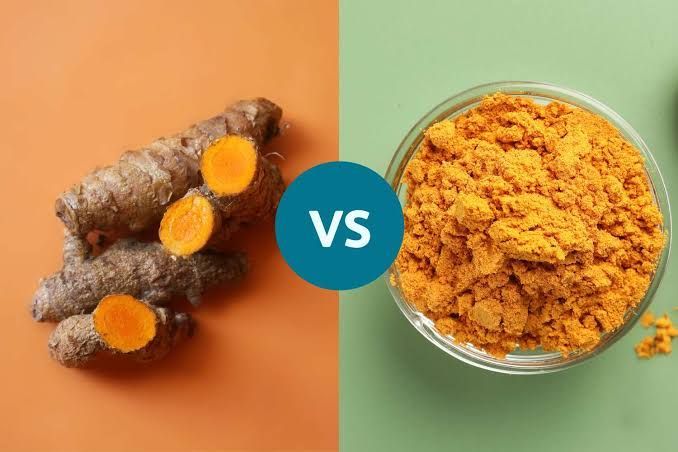
Many people confuse turmeric powder with curcumin supplements. They are not the same.
| Feature | Turmeric powder | Curcumin supplement |
|---|---|---|
| Form | Kitchen spice | Concentrated capsule or tablet |
| Strength | Usually mild in food amounts | Often much stronger |
| Absorption | Naturally limited | May be enhanced with piperine or special formulas |
| Best use | Cooking and routine building | Only with careful safety checks |
| Risk level | Lower for many people when used in food | Higher for interactions and side effects |
| Good first choice | Yes, for most cooking routines | Not without medication review |
The European Food Safety Authority has evaluated curcumin in different contexts, including as a food additive, and safety discussions often focus on acceptable intake levels and product type.
For everyday readers, the message is simple.
Do not treat supplement labels like kitchen recipes.
A capsule can deliver far more curcumin than you would normally eat. A product with black pepper extract may increase absorption. A “high potency” formula is not automatically better for an older body taking several medications.
Before buying turmeric capsules, ask a pharmacist:
- Does this interact with my medications?
- Is it safe with my blood thinner or aspirin?
- Should I stop it before surgery or dental work?
- Is this appropriate with my liver, gallbladder, or stomach history?
- How long is reasonable to use it?
That five minute conversation can prevent a very uncomfortable mistake.
The Traffic Light Method for Turmeric and Blood Flow
This is the simple method promised at the beginning.
Use a traffic light system.
Green: Usually sensible for many adults
A small amount of turmeric powder used in normal cooking.
Examples:
- 1/4 teaspoon in soup
- A pinch in scrambled eggs
- A small serving in curry
- A modest warm turmeric drink
- Turmeric used a few times per week as part of meals
This is the “food first” zone.
Yellow: Pause and ask
This includes turmeric every day, larger amounts, black pepper extract, or new digestive symptoms.
Pause if you notice:
- Heartburn
- Loose stools
- Nausea
- Easy bruising
- Nosebleeds
- Dizziness after adding new supplements
This is the “check before continuing” zone.
Red: Do not guess
Speak with a healthcare professional before using turmeric supplements if you take blood thinners, have surgery planned, have liver or gallbladder problems, or have unexplained symptoms.
This is the “safety first” zone.
The traffic light method works because it removes drama. You do not need fear. You need judgment.
A Gentle 7 Day Turmeric and Movement Plan
This plan is simple enough for most healthy older adults to discuss with a doctor and adapt.
| Day | Turmeric habit | Movement habit | Check in |
|---|---|---|---|
| Day 1 | Add a pinch to soup | Walk 5 minutes | Note leg heaviness |
| Day 2 | Skip turmeric if stomach feels off | Do ankle circles | Note cold hands or feet |
| Day 3 | Add 1/4 teaspoon to warm milk | Walk after lunch | Note energy level |
| Day 4 | Add turmeric to vegetables | Stand up every hour | Note swelling |
| Day 5 | Use turmeric in eggs or lentils | Walk 5 to 10 minutes | Note breathlessness |
| Day 6 | Rest from turmeric if needed | Gentle chair march | Note any bruising |
| Day 7 | Choose your best tolerated option | Repeat the easiest walk | Review the week |
Do not force daily turmeric. Some people do better with it two or three times per week.
The real win is not the spice. The real win is linking meals, movement, hydration, and observation.
That is how a routine becomes useful.
Common Mistakes That Make Circulation Habits Fail
Many people fail not because they are lazy, but because the plan is unrealistic.
They start too big. They expect fast results. They buy supplements before building habits. They ignore discomfort until it becomes frightening.
Avoid these common mistakes:
- Taking turmeric capsules without checking medications
- Using tablespoons of turmeric powder in drinks
- Adding black pepper extract while on blood thinners
- Sitting all day and expecting food alone to help
- Ignoring leg pain that appears during walking
- Replacing prescribed medication with kitchen remedies
- Believing dramatic online images without evidence
- Forgetting to mention supplements during medical visits
A family doctor would say it plainly.
Do the small things daily. Report the worrying things early. Do not let pride or embarrassment keep you silent.
Conclusion: Let Turmeric Be a Cue, Not a Cure
Turmeric powder can be a familiar, comforting part of a healthy routine for older adults. It may fit well in soups, warm drinks, eggs, lentils, and vegetable dishes. But it should never be sold to yourself as a cure, a vessel cleaner, or a replacement for movement and medical care.
The smarter approach is simple.
Use a modest amount. Keep it food based. Walk a little. Watch your symptoms. Check your medications. Take warning signs seriously.
The best circulation routine is not dramatic. It is the one you can repeat safely on an ordinary Tuesday morning.
FAQ
Can turmeric powder improve blood circulation?
Turmeric powder may support a healthy eating routine, but it should not be described as a proven way to fix poor circulation. Blood flow depends on the heart, blood vessels, movement, blood pressure, blood sugar, cholesterol, hydration, and other factors. Think of turmeric as a small food habit, not a medical solution.
Is it safe to drink turmeric every day after 60?
Small food amounts may be suitable for many people, but daily use is not right for everyone. If turmeric causes stomach upset, heartburn, diarrhea, bruising, or bleeding, stop and ask a healthcare professional. If you take blood thinners or have surgery planned, ask before using turmeric regularly, especially supplements.
Should I use turmeric powder or curcumin capsules?
For most people, turmeric powder in food is the safer starting point. Curcumin capsules can be concentrated and may interact with medications. Older adults who take prescription medicines should ask a pharmacist or doctor before using turmeric or curcumin supplements.
What is the best time to take turmeric?
There is no perfect time for everyone. Many people tolerate turmeric better with food, such as in soup, eggs, or a warm drink after a meal. Avoid taking large amounts on an empty stomach if you are prone to reflux or nausea.
When should I see a doctor for circulation concerns?
Seek medical advice if you have leg pain while walking that improves with rest, one sided swelling, foot wounds that do not heal, new numbness, color changes in the feet, chest discomfort, sudden weakness, or shortness of breath. These symptoms should not be managed with home remedies alone.
Medical disclaimer: This article is for general educational purposes only and does not replace personal medical advice, diagnosis, or treatment from a qualified healthcare professional.